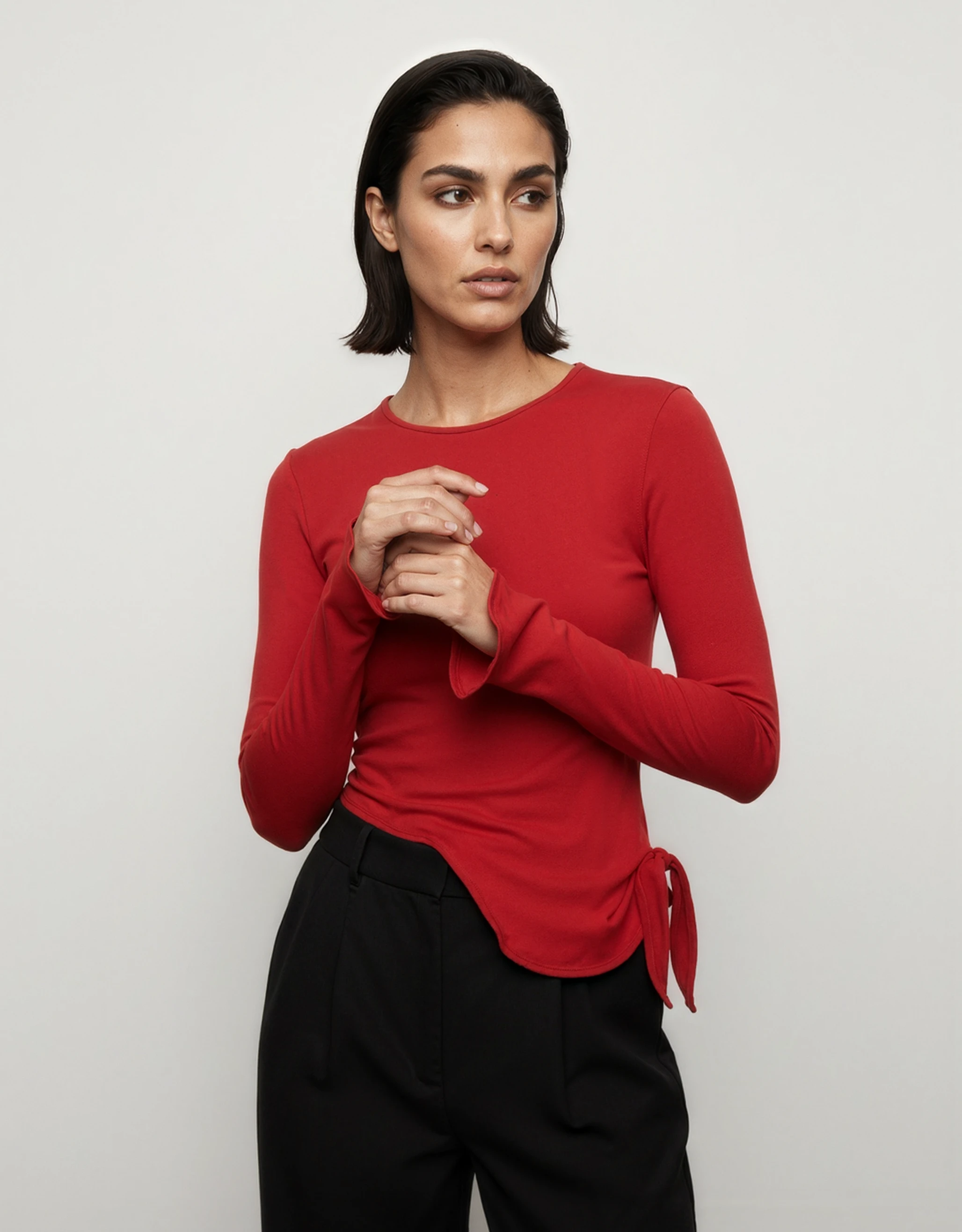
AI fashion shoot

AI Photoshoots

AI Photoshoots

AI Photoshoots

February 19, 2026

Key Takeaways:

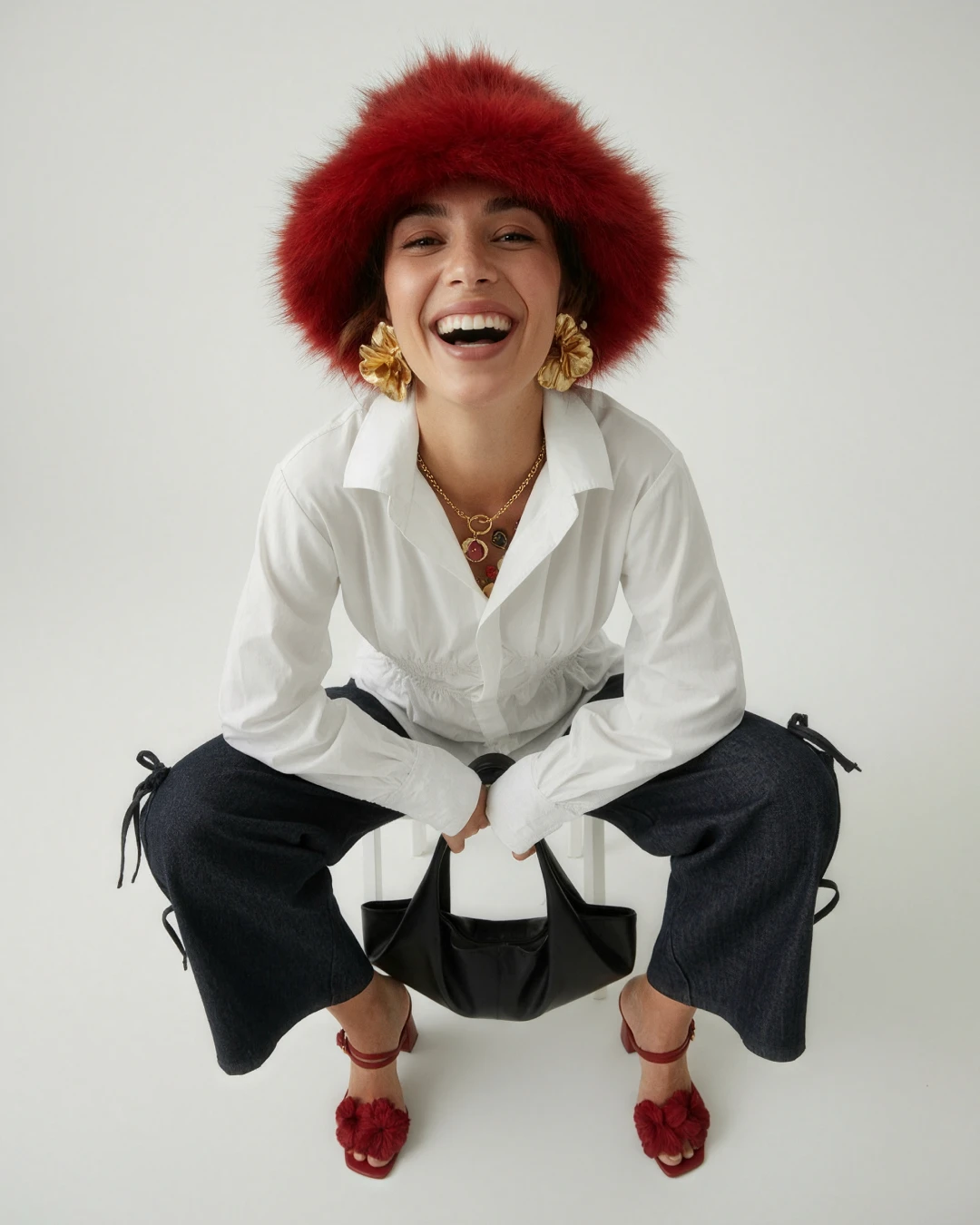
We all know what a classic photo shoot is, right? You need special lighting, a powerful camera, maybe a white background - all this setup to present your products in a professional way. Well, with AI Photoshoot, you can bypass all that. An AI photoshoot is a new technology that helps fashion brands create professional visuals of their products without the constraints of a traditional photoshoot.

We all know what a classic photo shoot is, right? You need special lighting, a powerful camera, maybe a white background - all this setup to present your products in a professional way. Well, with AI Photoshoot, you can bypass all that. An AI photoshoot is a new technology that helps fashion brands create professional visuals of their products without the constraints of a traditional photoshoot.

We all know what a classic photo shoot is, right? You need special lighting, a powerful camera, maybe a white background - all this setup to present your products in a professional way.

Well, with AI Photoshoot, you can bypass all that. An AI photoshoot is a new technology that helps fashion brands create professional visuals of their products without the constraints of a traditional photoshoot.

How to do a fashion shoot - and its constraints

To begin, there are several types of fashion photography: product-only shoots, studio shoots (featuring products on models), and lifestyle shoots (often shot outdoors against natural backgrounds). For now, let’s focus on the first two.

1. Product Shoots

Some brands prefer to showcase their items in a minimalist way — for example, a t-shirt on a wooden hanger against a clean white backdrop. While it sounds simple, the process is meticulous: if there are hundreds of items, each must be ironed individually before being photographed multiple times to capture the "perfect shot."

Kulte website showing flatlay products

Kulte, working with Veeton.

2. Studio Shoots with Models

Other brands prefer using models to create a more dynamic look. This helps customers better understand the fit and visualize themselves wearing the product. This process requires a stylist to curate the right outfits, an art direction team to cast the ideal model, and the selection of the perfect background color.

Fanopa website showing on model visuals

Fanopa, working with Veeton.

3. Logistical Constraints

Whether shooting products or models, brands require a dedicated space. While some larger companies have in-house studios, most must rent one.

Logistics can quickly become a headache:

  • Set Design: Many studios only offer basic white, grey, or black backgrounds. If the art director wants a specific color, the team must manually swap out panels, which can take 20 minutes per change.

  • Scheduling: You have to synchronize the schedules of the model, makeup artist, photographer, and crew. If a key person cancels at the last minute, the entire production is at risk.

  • Stylism Management: For a stylist, managing the sheer volume of garments needed to create various looks is a massive organizational challenge. If a look doesn't fit or "read" well on camera, the model has to change repeatedly, causing further delays.

Finally, while traditional photography is creatively exciting, it often acts as a bottleneck for brands looking to scale their production or iterate quickly.

" "

Lulu brand fashion shoot

4. The High Cost of Traditional Photoshoots

When you break down the expenses — studio rent, staff transportation, equipment, model fees (which vary based on experience and notoriety), usage rights — the bill adds up quickly.

A single day can cost anywhere from $500 for a small brand to over $15,000. Considering that fashion brands need fresh content far more than once a year, these costs represent a massive portion of their operating capital.

5. Delay and Time-to-market

In fashion e-commerce, speed-to-market is a critical competitive advantage. A typical fashion product, however, takes 6-8 weeks from design finalization to its website launch when relying on traditional photography. This lengthy timeline is consumed by logistical hurdles: 2-3 weeks for model casting, 1-2 weeks for location booking, 3-5 days for the shoot itself, and another 2-3 weeks for retouching and post-production. These unavoidable delays slow e-commerce launches and severely reduce a brand's ability to react to emerging trends.

What is an AI Photoshoot

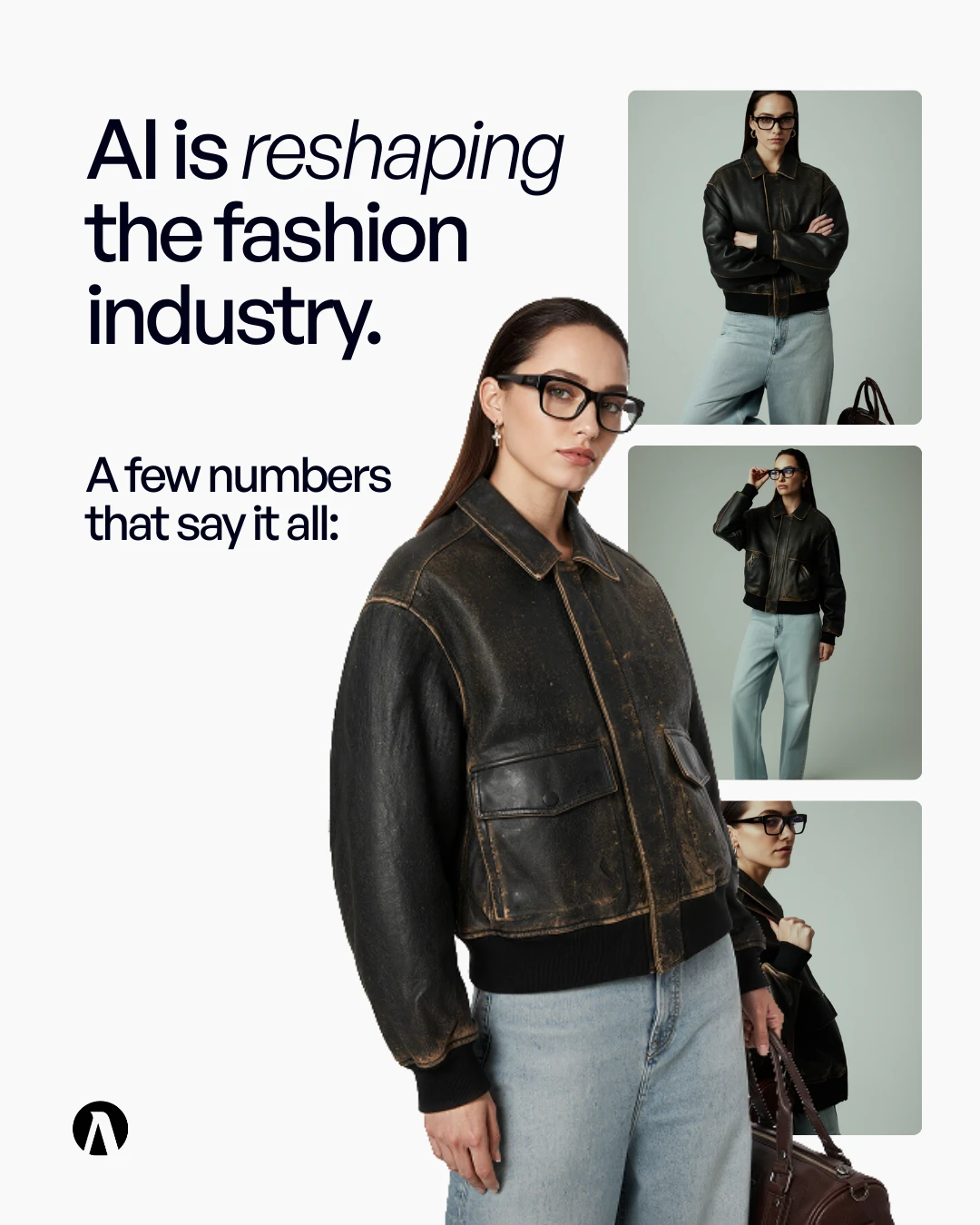
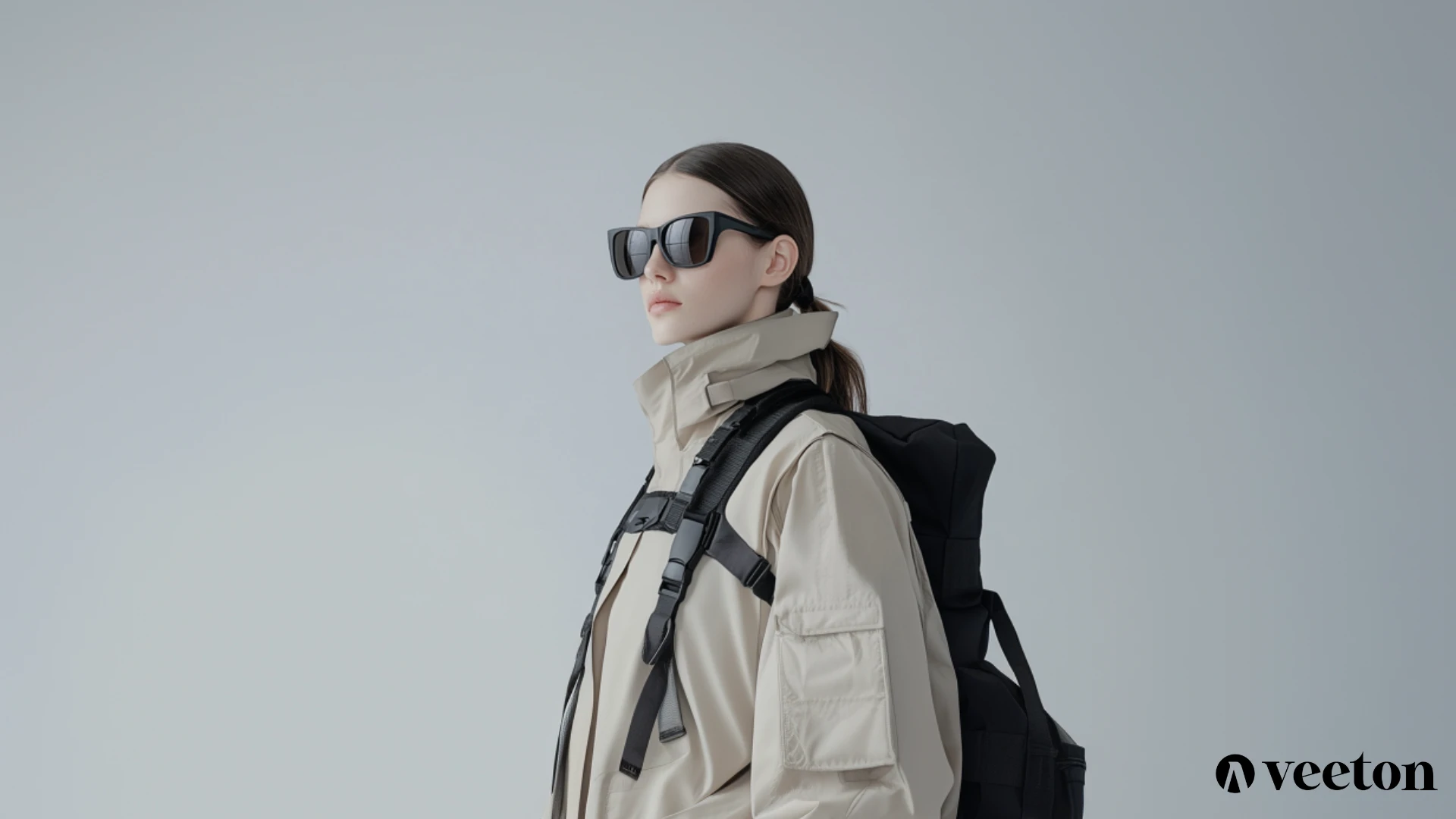
In the fashion industry, an AI Photoshoot is a way to use AI to generate the clothe on a photorealistic AI model, in a studio or any set up, just based on quick snapshot of the garment. It meets nearly the same standards as traditional photography, professional rendering, aesthetic appeal, and ultra-realistic imagery, but the methodology is entirely different.

1. Advanced Product Photography

As mentioned previously, many brands require minimalist, high-quality e-commerce shots on white backgrounds. In a traditional setup, this involves hours of steaming and logistic.

With an AI photoshoot, the process is streamlined:

  • Effortless Input: A brand simply uploads a photo of the product, whether it's on a hanger, a mannequin, or even lying on the ground.

  • Flawless Output: The AI generates a perfect flatlay (ironed, perfectly lit, with sharp fabric details) or a ghost mannequin effect (a 3D "worn" look without a visible model).

Note: The level of precision is difficult to reach. You need to preserve the logos, the garment’s shape and label. It’s one of the first thing to test and challenge with any AI providers.

Visual shImage showing a product lying flat from a photo taken on a hanger.owing a flatlay product from a hanger shot product

2. How to Generate Your Shoot in Minutes

While some brands prioritize simple product shots, many are highly focused on showcasing complete looks through on-model visuals. And this is the primary goal of an ai photoshoot: its primary goal is to generate high-fidelity, on-model visuals for entire collections at scale, as it is a game-changer for fashion online sells.

By leveraging the right platform, brands can accelerate their workflow up to 10x faster than traditional studio methods. The transition from a physical garment to a professional lookbook is remarkably seamless:

  • Upload the Collection: Import the products you wish to shoot; each item represents a unique look.

  • Diverse Model Casting: Select your ideal model in just a few clicks. You can easily switch between sizes (from XS to Plus Size) and diverse ethnicities (Caucasian, Asian, etc.) to better represent your customer base.

  • Instant Set Design: For every look, you can test multiple background colors—such as white, blue, or grey—instantly, without moving a single physical panel.

  • Curated Styling: Access an extensive library of assets to select complementary garments and accessories for each outfit.

  • Multi-Angle Shots: Choose from a wide range of camera angles. Whether you need a close-up, a profile view, an American shot, or a full-length shot, you can generate 3 to 5 different views for the same look simultaneously.

To be clear, an AI photoshoot is not merely a project management tool for coordinating traditional shoots, it isn't a platform for renting studios, booking crews, or purchasing wardrobe items.

It is something far more powerful: a platform to generate high-end fashion visuals from scratch. Instead of managing the heavy logistics of a physical production, you are creating the final, professional result directly from your AI photoshoot platform.

Image showing an on model product from a ghost photo.

AI Photoshoot benefits for fashion brands

Given the logistical hurdles of traditional photography, AI photoshoots have emerged as the obvious solution for fashion brands. It is a transition that many are already making, driven by several key factors:

1. Drastic Cost Reduction

For brands that already invest in professional on-model photography, the primary goal is often to protect their margins. By switching to an AI-driven workflow, they can eliminate traditional overhead, such as studio rentals and travel expenses, allowing them to reallocate that capital into product development or marketing. With AI, you can generate one reference for less than 2$.

2. Professional Visuals for Higher Conversion Rates

Some brands avoid photoshoots entirely due to budget constraints, resulting in low-quality imagery that fails to reflect their true brand identity. An AI photoshoot platform allows these brands to upgrade their visual assets without increasing their budget. The result is a professional, high-end look that builds customer trust and creates a consistent aesthetic across the entire website.

Image showing the transition from a flatlay visual to an on model visual.

3. Logistical Scalability

For some brands, such as those working with marketplaces, speed and volume are essential. These businesses need vast, high-quality catalogs to stand out. The batch-mode feature of an AI photoshoot offer a seamless way to generate neutral, professional visuals at scale, ensuring every product is ready for the market in a fraction of the time.

Note: Veeton stands out as the leader in high-volume production. Unlike many other AI photoshoot platforms that handle images one by one, very few offer a batch mode as powerful and efficient as ours, making it the ultimate tool for large-scale catalog management.

AI Photoshoots, benefits for business

1. Better Market-fit thanks to A/B testing

The business advantage of improving speed-to-market is clear. It gives brands a real-time ability to capture viral trends, which in turn minimizes overstock and costly markdowns. According to a 2025 McKinsey fashion report, brands that accelerate their product digitization see 30-50% higher full-price sell-through rates due to better trend alignment. This agility allows brands to refresh product pages weekly, maximizing profitability and avoiding missed seasonal windows.

Image showing how AI Photoshoots can improve acquisition

2. Better time-to-market

An AI Photoshoot collapses this timeline from weeks to hours. By eliminating the need for physical logistics and sample shipping, brands can generate professional, high-conversion visuals the moment a design is finalized. This allows collections to be launched online almost instantly, ensuring that brands can capitalize on trends and restocks without the usual delays of a studio production.

3. Enhanced Brand Image through Diversity

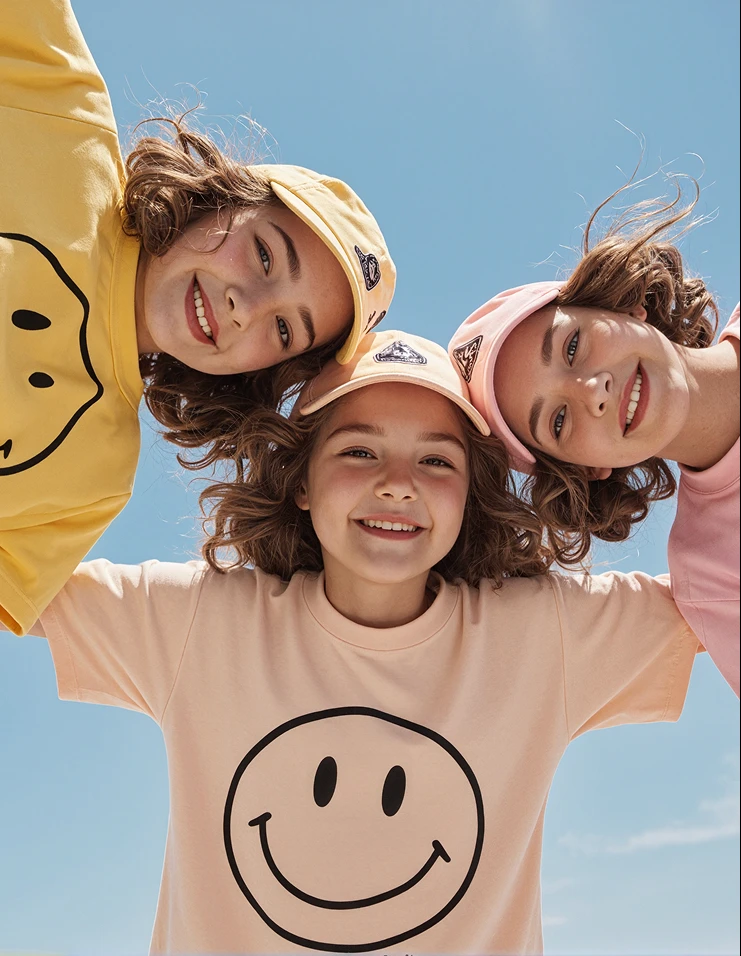
In today’s market, consumers expect to see themselves reflected in the brands they support. An AI photoshoot empowers brands to champion diversity and inclusivity without the prohibitive costs of multiple casting calls. With just a few clicks, you can showcase your collection on models of different ethnicities, ages, and body types (from XS to plus-size).

By providing a more representative and personalized shopping experience, you break down the "imagination barrier"—allowing every customer to visualize how a garment will truly look on them. This emotional connection not only strengthens your brand identity as an inclusive leader but also directly boosts conversion rates and reduces return volumes, as customers can make more confident purchasing decisions.

⇒ MAPPING VERS DIVERSITY

Current Limitations of AI Photoshoot Technology

While AI is rapidly transforming fashion photography, it is a developing field with specific challenges that brands should keep in mind.

1. Success Rates and Reliability

The technology has evolved at a breakneck pace. Only a year ago, the "success rate"—the ability to generate a usable image without major glitches — was near 25%. However, the industry has seen a massive leap:

  • Past performance: By late last year, high-end platforms reached a success rate of approximately 50%.

  • Current standards: Today, the leading tools in the market achieve around an 90**% success rate**.

    While this is a significant achievement, it means that a small portion of generated images may still contain "artifacts" or anatomical inconsistencies that require a second pass.

2. The Need for Post-Production

AI is not yet a 100% "one-click" solution for every scenario. Sometimes, certain complex elements often still require human intervention or traditional retouching, such as:

  • Intricate Details: Fine jewelry, complex lace, or very specific embroidery.

  • Fabric Physics: The way certain heavy or technical fabrics drape in highly dynamic poses.

  • Brand Consistency: Ensuring that a very specific shade of a brand’s signature color is captured with absolute precision across all images.

3. An Evolving Tech Landscape

While current platforms already solve the primary logistical and financial pain points of fashion brands, the industry is still iterating. Developers are constantly working to expand libraries of poses, improve lighting accuracy, and refine fabric textures. The technology today is powerful enough to handle high-volume catalogs, but it continues to grow to meet the more nuanced creative demands of high-fashion editorial work.

Quick Recap: AI Photoshoot Advantages

  • Cost Efficiency: Reduce visual production costs by up to 90%. High-quality AI images cost between $0.75 and $2, compared to the $500 to $15,000 daily rates of traditional studio shoots.

  • Rapid Time-to-Market: Collapse your launch timeline from 6–8 weeks to just a few hours. Eliminate bottlenecks like model casting and post-production to capitalize on viral trends instantly.

  • Scalability & Volume: Perfect for large-scale catalogs and marketplaces. While traditional shoots are limited by physical logistics, Veeton’s unique Batch Mode allows you to generate professional visuals for entire collections at 10x the speed.

  • Inclusivity & Conversion: Boost conversion rates by showcasing products on diverse models of all ethnicities (Caucasian, Asian, etc.) and body types (XS to Plus Size). Representation breaks the "imagination barrier" and significantly reduces return rates.

  • Business Agility: Brands using AI for rapid digitization see 30–50% higher full-price sell-through rates (McKinsey 2025) thanks to better trend alignment and frequent weekly catalog refreshes.

  • Sustainability: Drastically reduce your carbon footprint by eliminating the need for international sample shipping, travel for crews, and physical set waste.

  • Technological Maturity: While a few highly complex scenarios may still require a final human touch, the technology is evolving daily to bridge those last remaining gaps.


    Image showing why Veeton is the best AI Photoshoot for Fashion brands

Experience the future of fashion

You might find this article interesting:

Experience the future of fashion

Start shooting now.

Experience the future of fashion

Start shooting now.

© 2026 Veeton. All rights reserved.

© 2026 Veeton. All rights reserved.

© 2026 Veeton. All rights reserved.