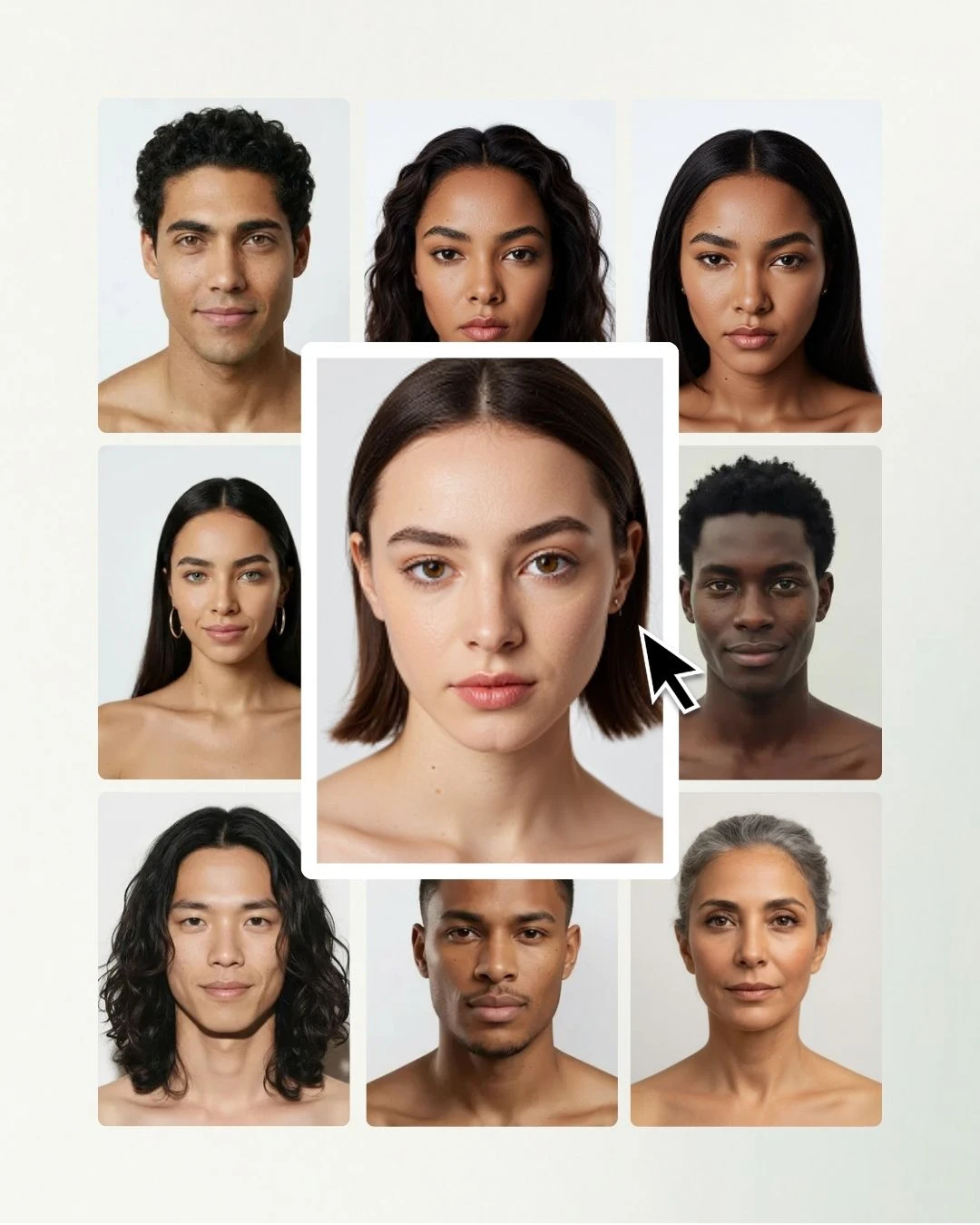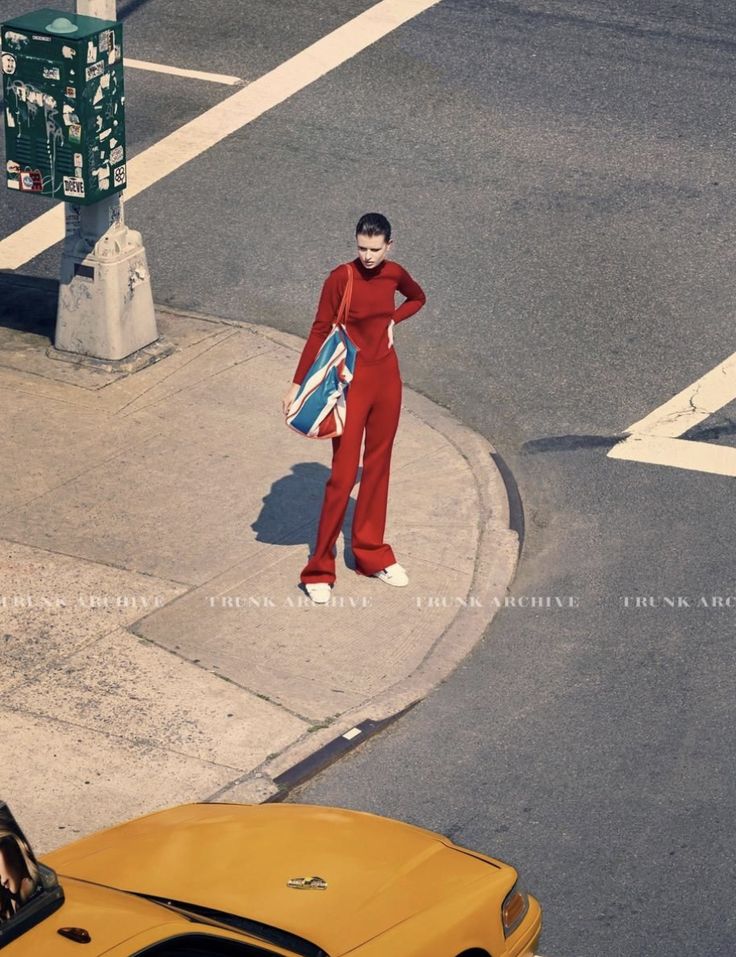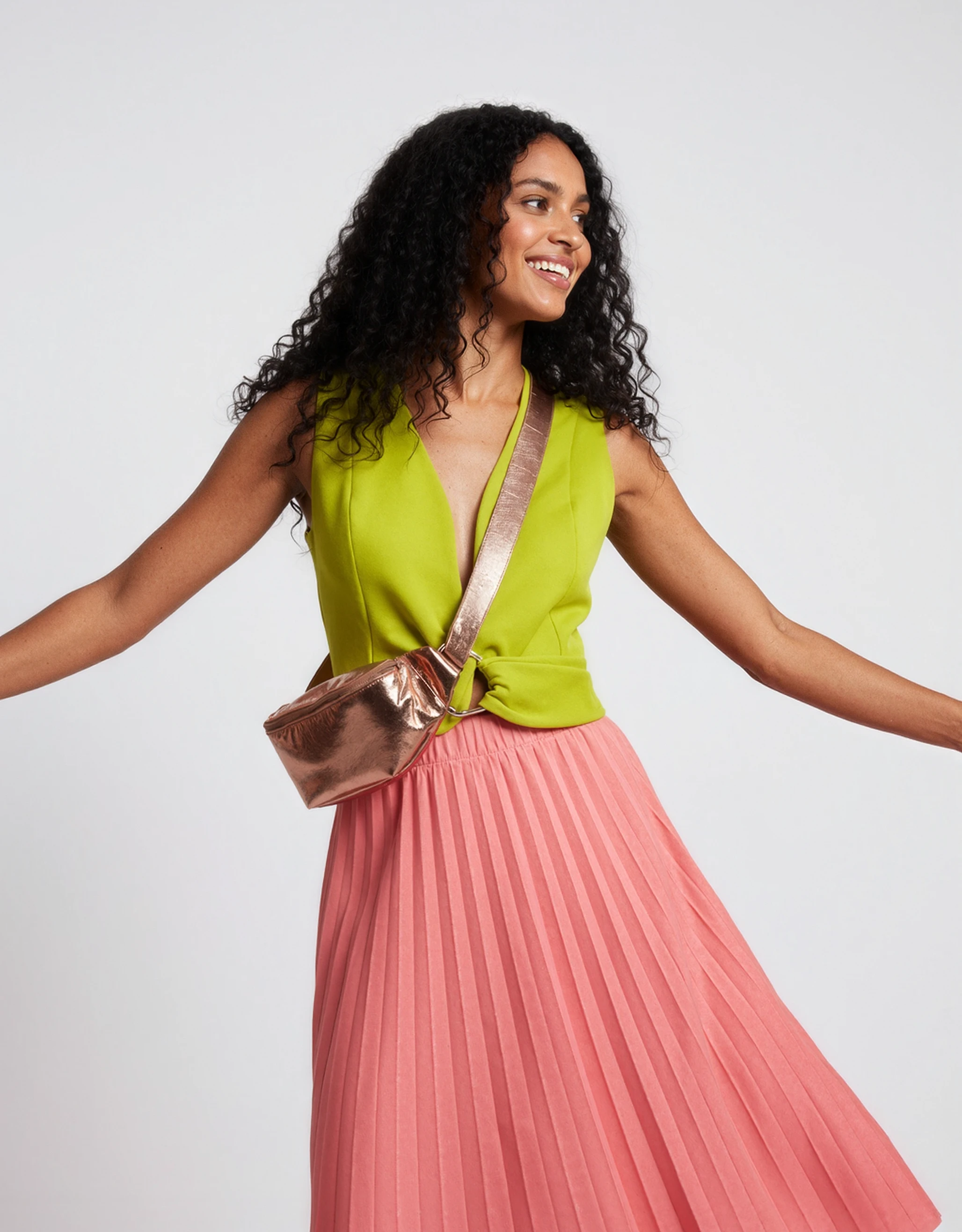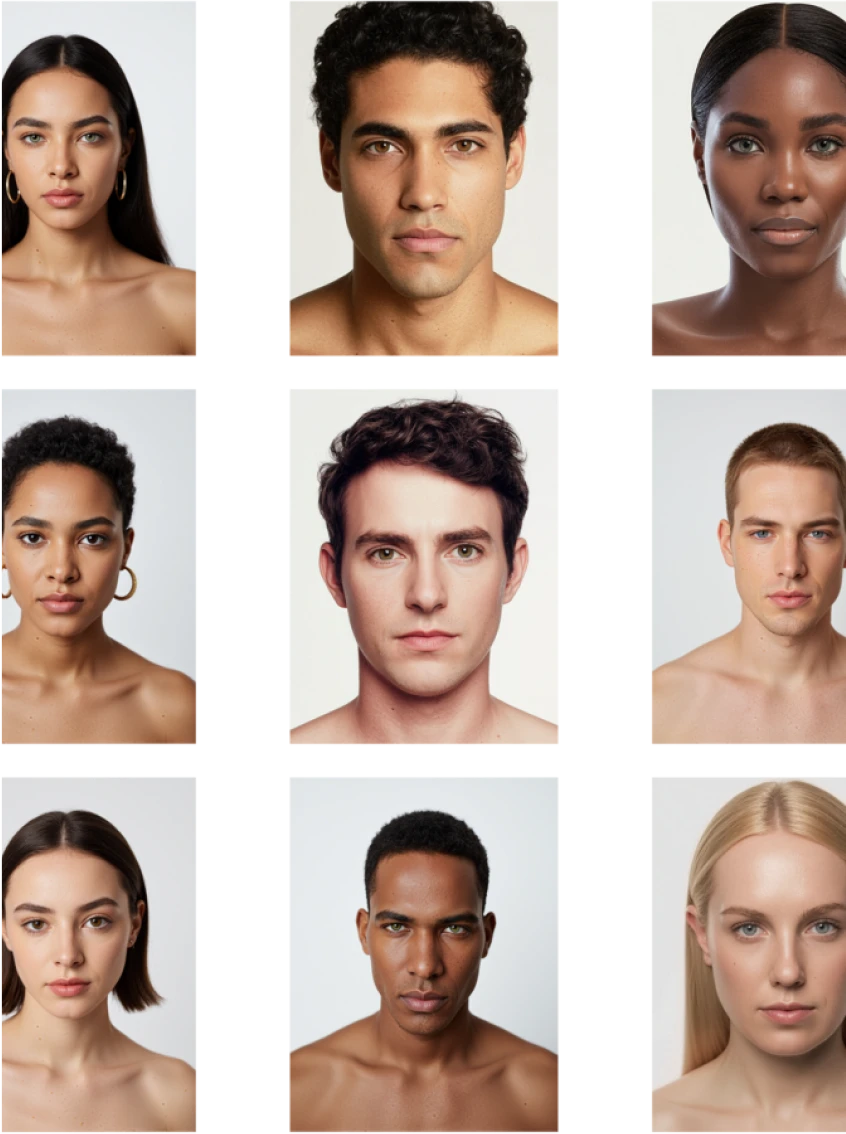
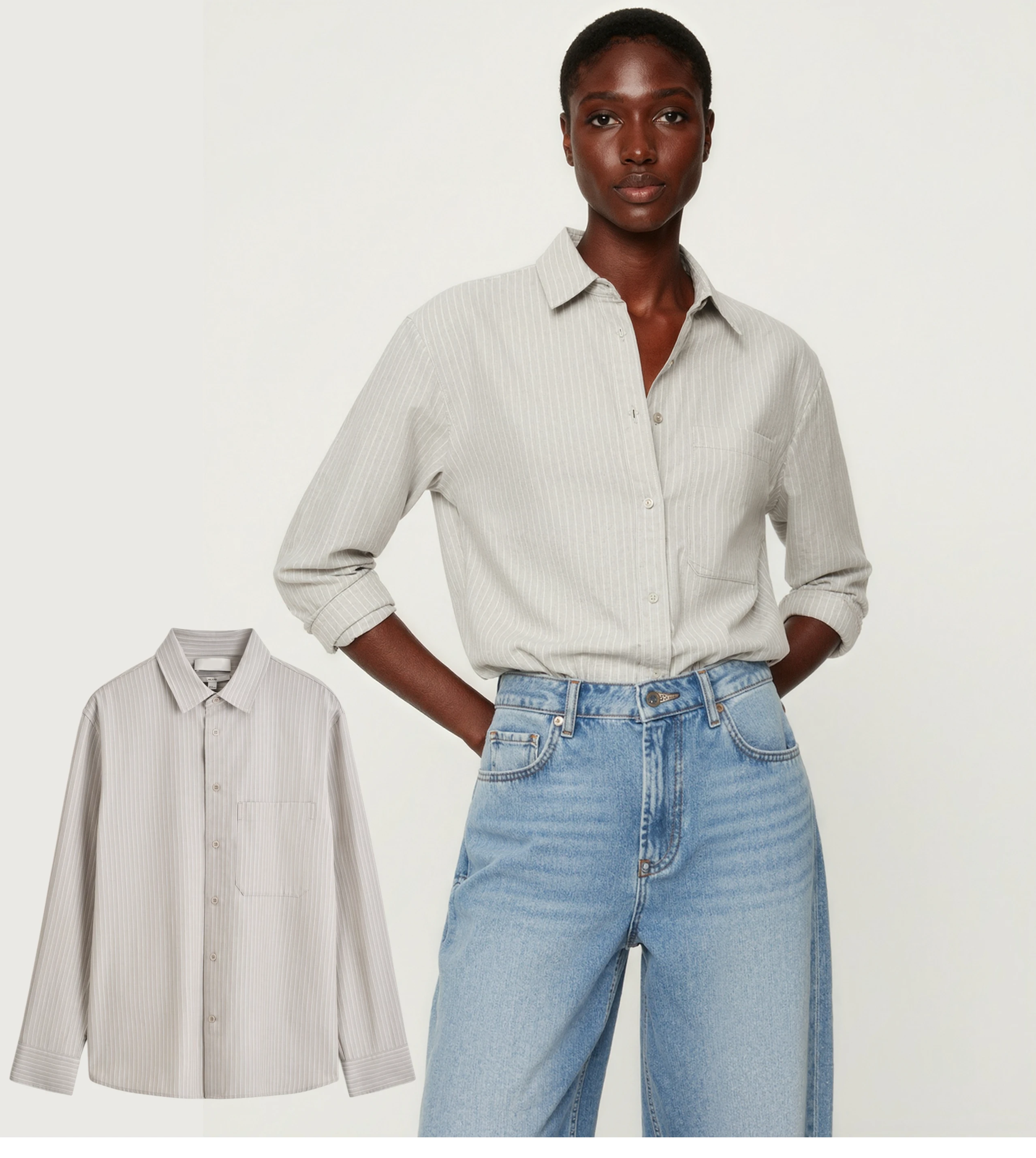
On-model imagery, your apparel shown worn on a real-looking person, is one of the highest-leverage assets on a product page. It lifts conversion by up to 33% over low-quality visuals and cuts returns by as much as 22%. Here is why it works, how it compares to flat-lay, and how to produce it at scale.
Why on-model imagery converts
In fashion ecommerce, visuals are the product experience: 90% of shoppers cite photo quality as the top driver of their purchase decision. On-model imagery, the practice of showing apparel on real people, is the part that does the heavy lifting. It lets a shopper see fit, drape, length, and scale on a body instead of guessing from a flat photo, and it triggers self-projection, the moment a buyer pictures themselves wearing the piece. That mix of information and emotion is what turns a browser into a buyer.
On-model vs flat-lay vs ghost mannequin
Each format has a job:
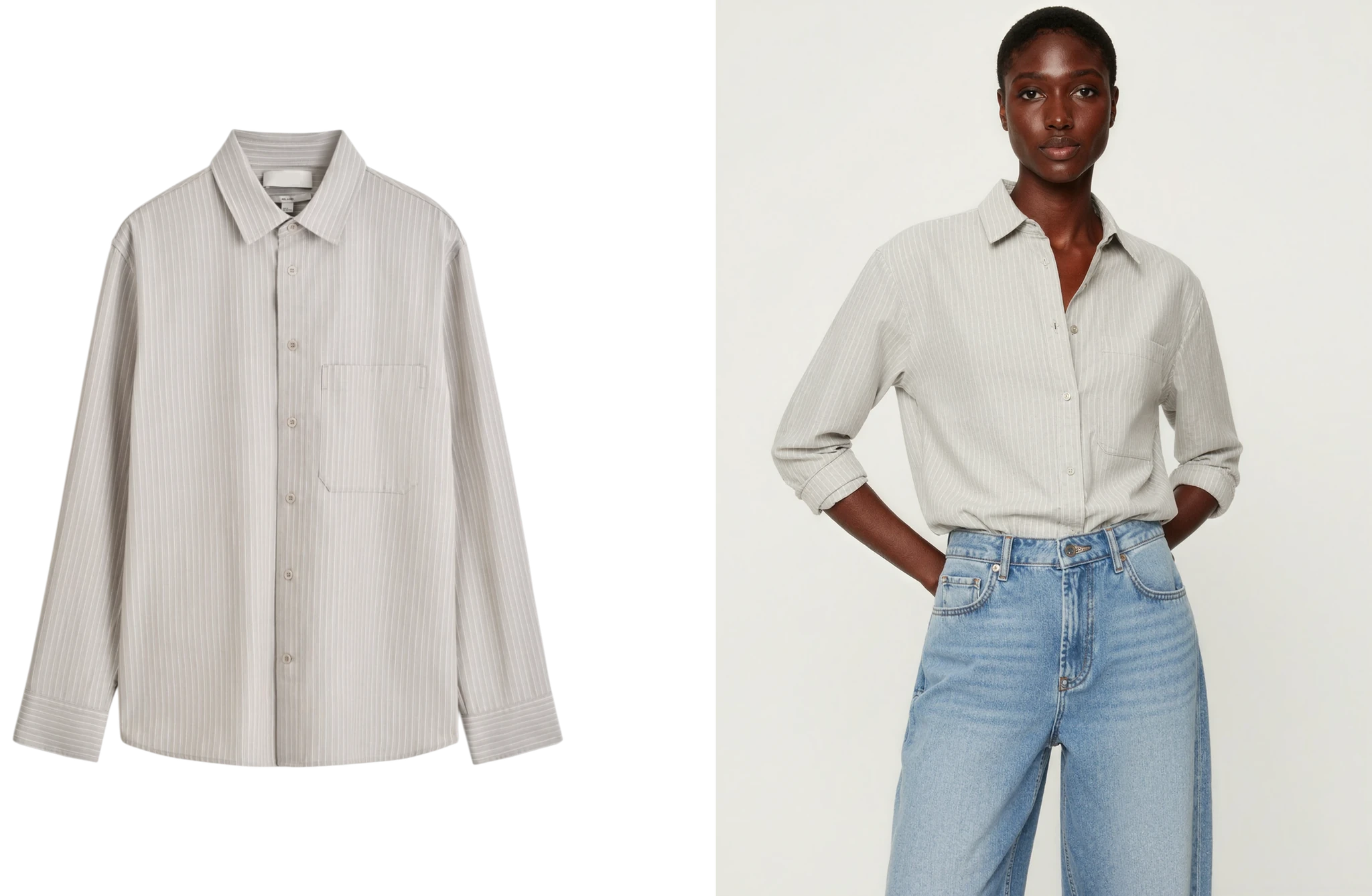
- Flat-lay is cheap and clean, good for detail and colorways, but it asks the shopper to imagine the fit.
- Ghost mannequin shows 3D shape without a person, a strong middle ground for structure.
- On-model shows how the garment actually moves and sits on a body, and it is the only one that builds a true-to-life, emotional connection.
Most catalogs need a mix, but on-model is what builds purchase confidence and sets accurate expectations, which is exactly what brings returns down.
The numbers: conversion and returns
The impact is measurable, not anecdotal. High-quality on-model shots have been shown to increase conversion by up to 33% versus lower-quality visuals, and accurate on-model imagery can cut return rates by as much as 22% by setting correct expectations on fit and color before the box ever ships. On a catalog of any size, those two levers move revenue and margin at once.
What makes on-model imagery actually convert
Not all on-model shots perform equally. The ones that sell tend to share a few traits:
- Multiple angles per product (front, back, detail, in-motion) so nothing is left to the imagination.
- True-to-fit representation, with no slimming that creates a returns problem later.
- A consistent look across the catalog so the page reads like one professional shoot.
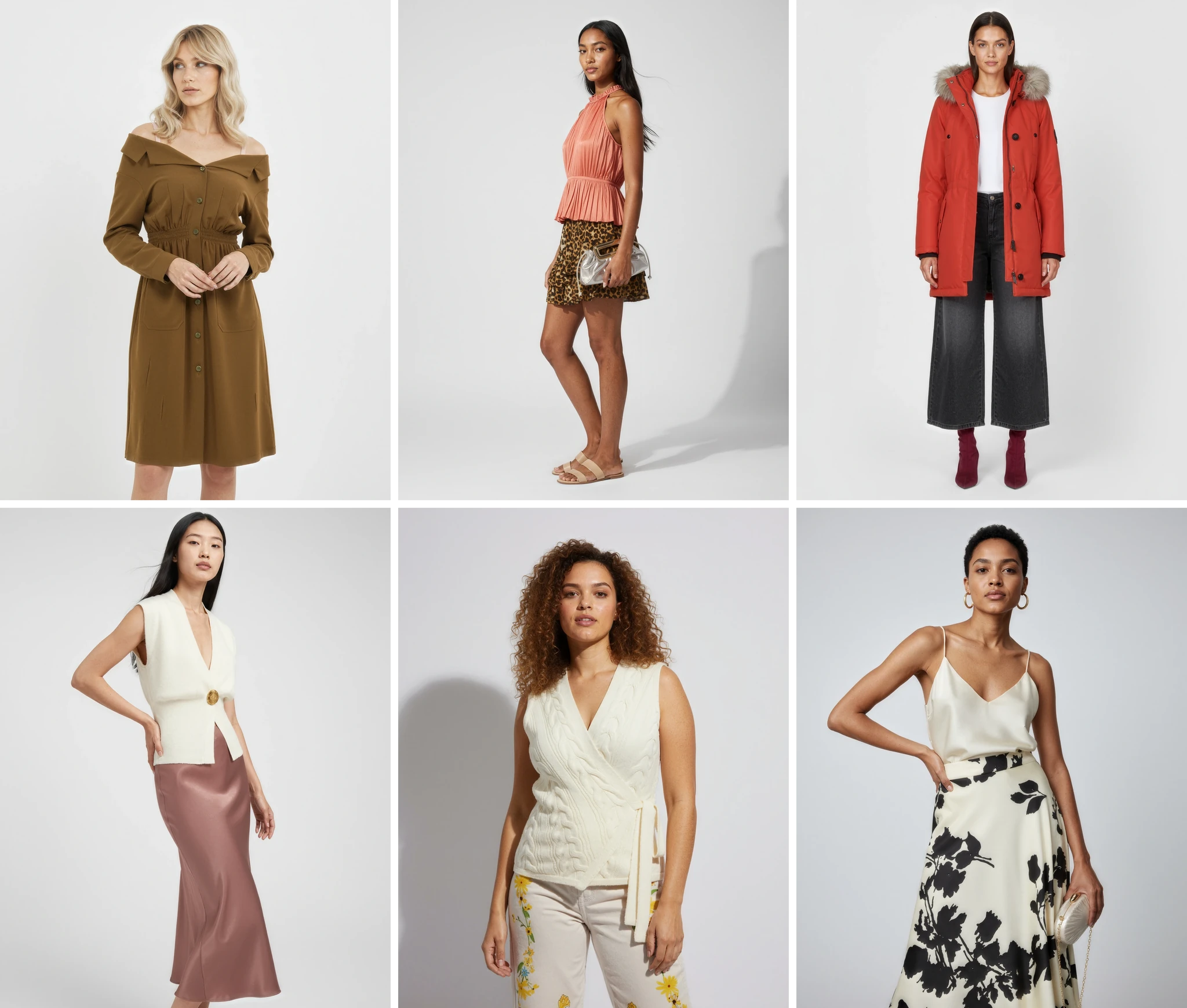
- Diverse models so more shoppers see themselves, which lifts engagement and conversion.
- Context and movement, dynamic poses and lifestyle scenes that show the garment in real life.
Producing on-model imagery at scale
The catch has always been cost and logistics: shooting every SKU on a model is expensive and slow, so most brands reserve it for hero products. AI fashion models remove that ceiling. A leading AI fashion studio like Veeton turns a single garment photo into diverse, on-brand on-model visuals in minutes, so every product, not just the bestsellers, gets the imagery that converts.
Start free with 10 credits, no card required, and give every product page on-model imagery that sells.