October 13, 2025
Key Takeaways:
Do you remember H&M's digital twins? Back when H&M unveiled the first images featuring AI-generated digital twins, it signaled a shift toward working in close collaboration with models to create their digital doubles, allowing the brand to scale fashion visuals using the models' likenesses.
This moment marked the dawn of generative AI for fashion models. At the same time, a new concept has emerged: fully AI-generated models.
What are AI Fashion Models?
It is crucial to distinguish between the digital twin concept and AI-generated models. While brands use generative AI in both instances, the underlying approach differs.
In the latter case, AI models are photorealistic virtual personas created entirely through generative AI technology. These computer-generated figures replicate the appearance of real humans and are used to produce high-end on-model visuals for advertising campaigns and fashion e-commerce.
1) Which fashion brand use AI fashion Model Generator
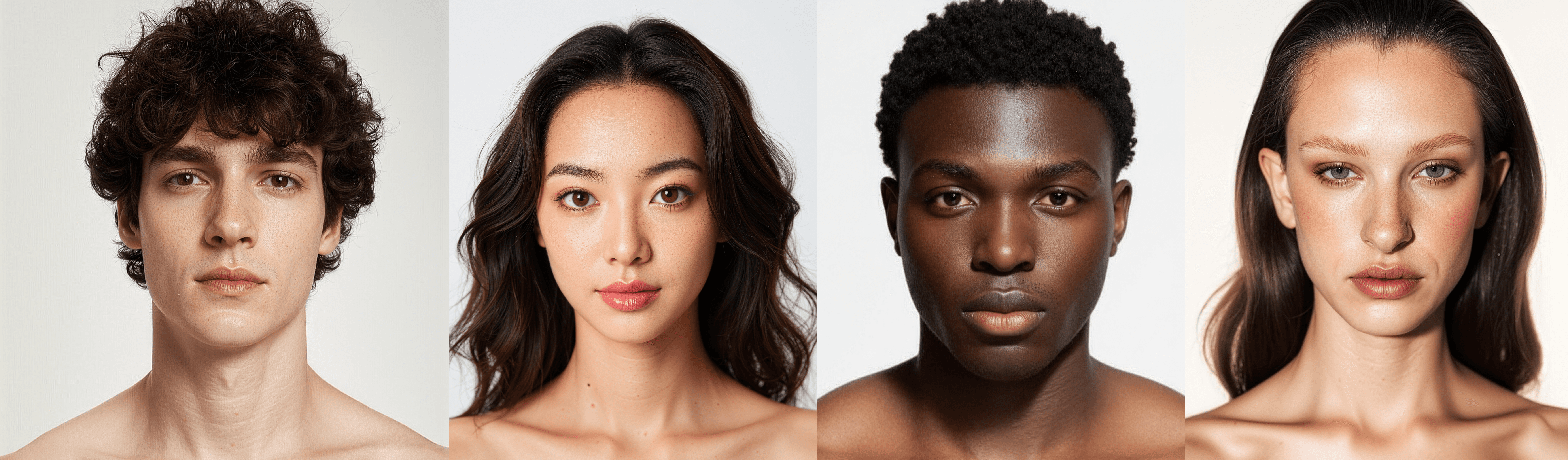
Major fashion brands like H&M, Levi's, Burberry, Mango, and Guess are now using AI models to replace traditional photoshoots, enabling quicker and more flexible content creation. This allows them to rapidly generate customized visuals tailored to specific target audiences without the logistical constraints of a traditional production workflow.
2) Why do these brand use AI models for clothing
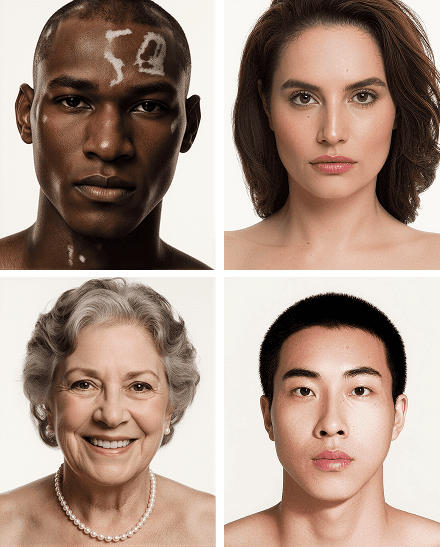
The benefits of adopting this technology are transformative. The first is significant cost savings, as it eliminates the myriad expenses tied to casting, travel, and physical studio shoots, reducing marketing overhead. The second is enhanced brand consistency; using the same AI model across all campaigns ensures a uniform appearance and style, reinforcing a cohesive brand identity. Finally, virtual models allow for a perfect demographic fit. AI enables brands to instantly create models that match specific customer segments by ethnicity, body type, and age, providing a powerful tool for enhancing both inclusivity and personalization.
AI Fashion Models: one of the solutions for more inclusivity and diversity
1) The challenge of inclusivity for fashion brands
Achieving true diversity and inclusion in fashion marketing has long been a significant challenge for brands. Historically, sourcing models across a wide spectrum of ethnicities, ages, sizes, and abilities has required expensive and logistically complex photoshoots. Despite growing consumer demand for inclusivity, this remains a persistent issue; even in 2025, white models still account for over 50% of major campaign bookings, and models of color remain underrepresented. This gap between consumer expectation and industry reality makes authentic representation a key differentiator.
2) The Business Impact of Inclusive Marketing
Inclusivity is a major demand from modern consumers who want to see themselves represented in the brands they shop. Traditional agencies often lack the diversity brands require. According to Kantar's 2024 Brand Inclusion Index, 80% of people worldwide value diversity and inclusion when making purchase decisions.
Brands that have successfully implemented a holistic approach to inclusion have seen a 4.4% sales increase year-over-year. This trend is embodied by pioneering brands known for their inclusive ethos, such as Eileen Fisher in the US and Make My Lemonade in France. Inclusive imagery not only builds stronger consumer trust and brand loyalty but also directly impacts conversion rates, yielding measurable growth.
How AI generated fashion models enable diversity and inclusion in Fashion
First, it is essential to understand that AI-generated models are used in an ecosystem designed to maximize their full potential.
Specifically, they are typically integrated into tools known as 'AI Photoshoots,' which allow brands to generate fashion photography directly on a digital platform. Because these AI models are embedded into the tool's core workflow, fashion brands can seamlessly produce their shoots using the specific model of their choice.
1) Limitless possibilities with AI Fashion Models
There are two primary ways to use AI models.
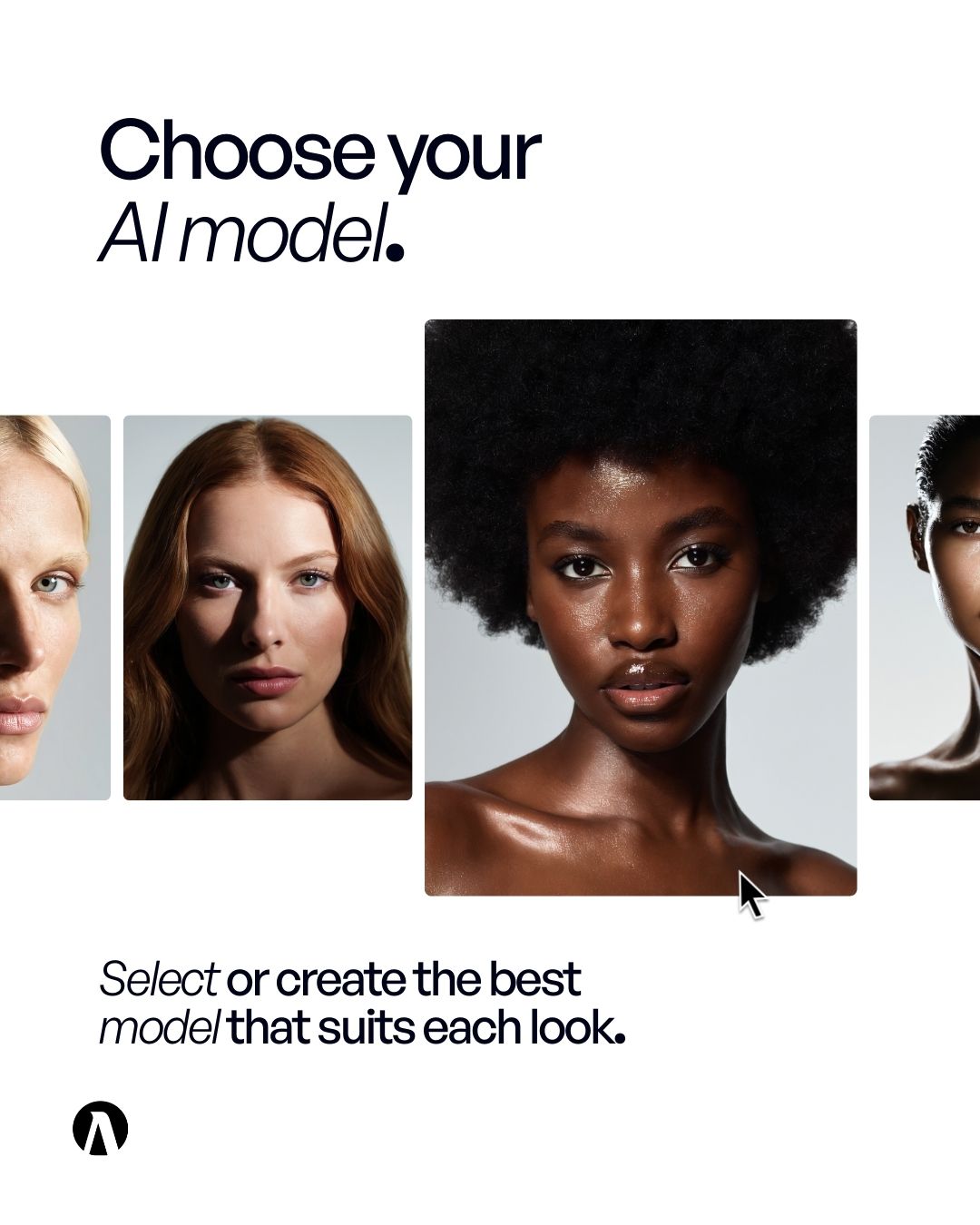
a. Selecting from a pre-set AI generated fashion models gallery
In this scenario, the AI Photoshoot platform provides brands with a diverse array of model profiles. You’ll find models of all kind of hair color, hairstyle, skin tone, facial features, gender, and age.
Take our company, Veeton, for example: we offer over +50 different model profiles — ranging from young women and men to older models, with hair colors spanning blonde, brunette, and redhead, and varying heights and builds. In short, whatever the brand’s creative vision, they can find exactly what they need to shoot their latest fashion collection.
b. Custom your own AI fashion model, or your next brand ambassador
While only a few AI photoshoot platforms offer this, brands can indeed create fully personalized models for their shoots.
Veeton, for instance, provides a dedicated tool that allows you to select every specific characteristic you desire and generate your ideal model in seconds. A feature widely valued by brands aiming for full full identity control, stronger differentiation, and greater diversity.
2) AI fashion models: Improve conversion rate with diversity
One major advantage of AI models is that the same outfit can be showcased 2, 5, or even 10 different models instantly.
You can leverage this in several ways:
On your website, by offering multiple model types for the same product. This helps you reach a broader audience, as customers feels better represented and more confident in their purchase.
More impactful marketing campaings: by easily varying the models you choose. This give you the freedom to test fashion visuals with various models, identify which models convert bests, and create more impactful campaigns overall.
In short, one of the strongest benefits of AI models is the sheer variety of visuals you can now generate. This makes it easier to obtain images that truly reflect your target audience, and can even help to attract a new one.
3) Flamboyante Paris & Veeton: Redefining Inclusive Luxury with AI Fashion Models
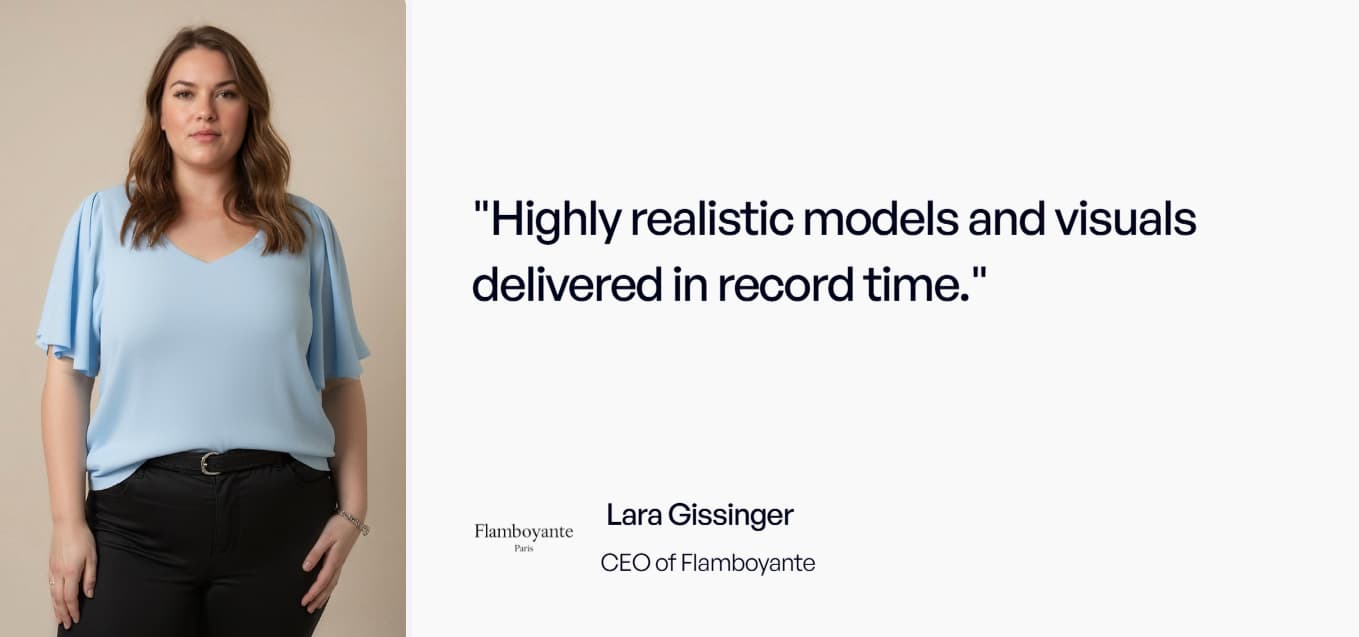
Flamboyante Paris is a French label redefining elegance for sizes 44 to 56. By crafting timeless pieces from upcycled couture fabrics, the brand ensures that every woman, regardless of size, can access high-end, responsible fashion.
To bring this vision of inclusivity to life, Flamboyante Paris partnered with Veeton to generate a diverse range of AI models. This collaboration allows the brand to showcase its collections on varied body types, ensuring their imagery is as representative and empowering as the clothes themselves.