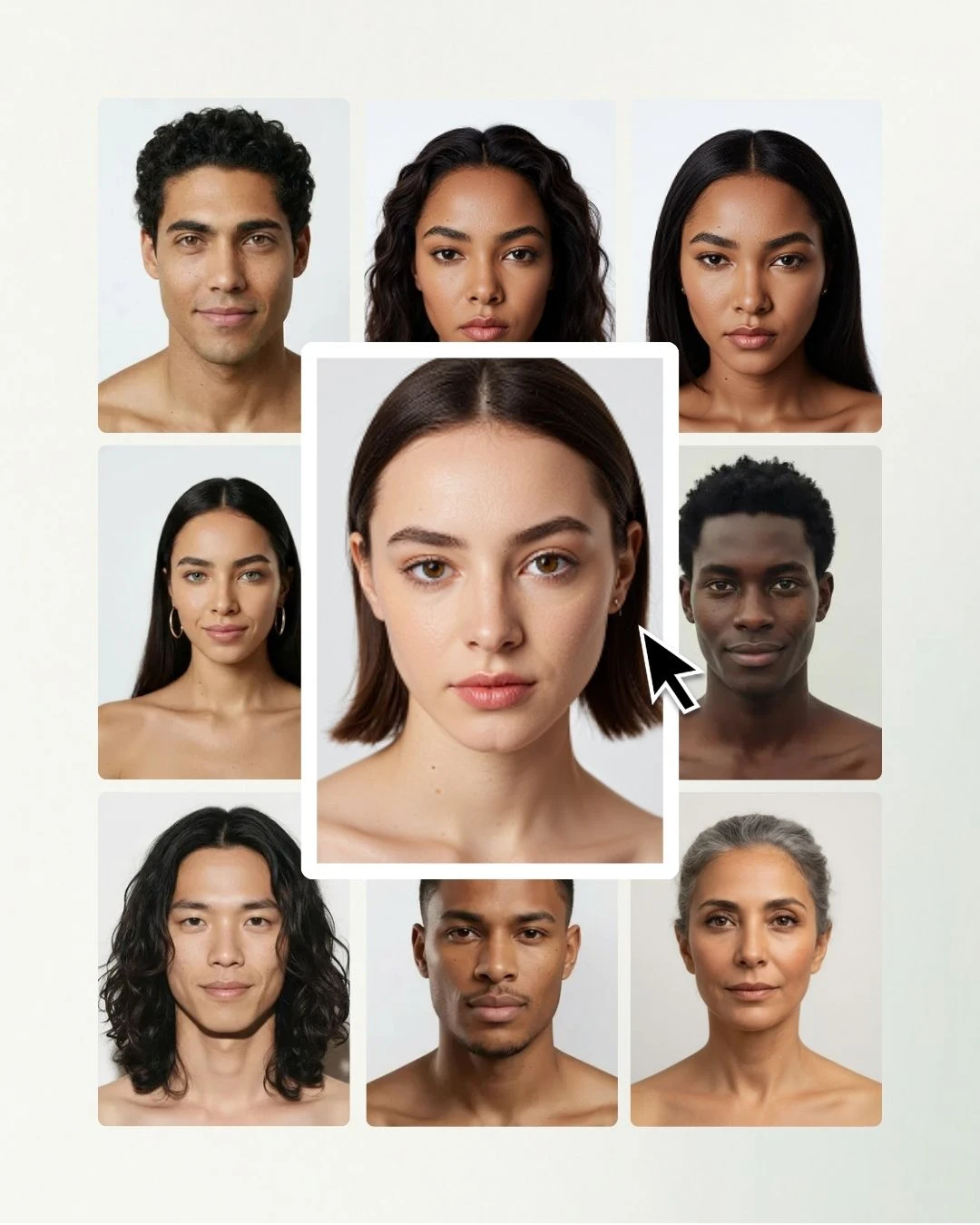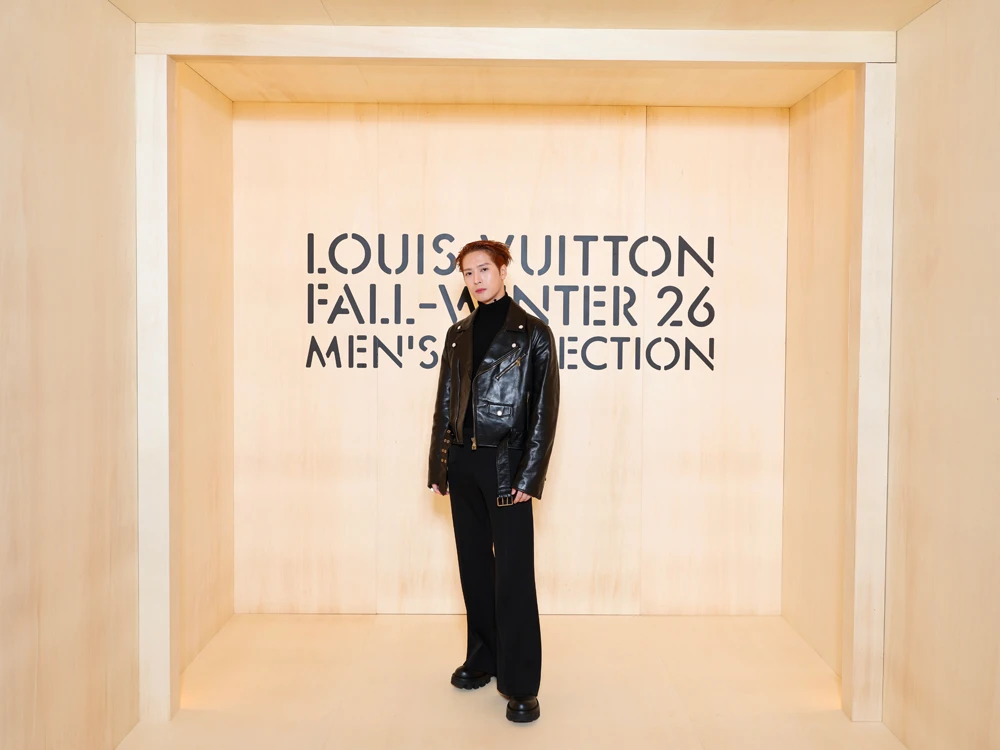
The January 2026 Paris Fashion Week has officially shifted from a display of seasonal aesthetics to a sophisticated showcase of AI in fashion. While the runways of the Carreau du Temple and the Palais de Tokyo still celebrate the tactile beauty of craftsmanship, the "backstage" has been entirely digitized. This year, tech innovations during fashion week are no longer peripheral experiments; they are the structural engine driving the industry's response to overproduction and digital-first consumption.
According to recent industry reports, the market for AI in fashion is projected to reach $3.99 billion in 2026, growing at an annual rate of over 40% (Source: Gelato). In Paris, this financial reality translates into a hybrid creative process where human designers act as "orchestrators" for intelligent systems.
The Rise of the "Phygital" Runway: AI-Driven Design Cycles
The traditional 18-month lead time for collections has been reduced to nothing. In January 2026, Parisian brands are using generative AI to compress design cycles from months to days. This change is particularly visible in the way traditional brands are integrating technological innovations during Fashion Week in order to remain culturally relevant while operating at digital speed.
Generative Prototyping and 3D Simulation
Designers are now using tools like Style3D AI and CLO3D to convert 2D sketches into high-fidelity 3D renders instantly. This "Sketch-to-Render" workflow allows for virtual fabric testing—simulating the drape of silk or the weight of leather with perfect physics—before a single meter of fabric is cut. This has reduced early physical sampling waste by over 60% (Source: Fashion Diffusion).
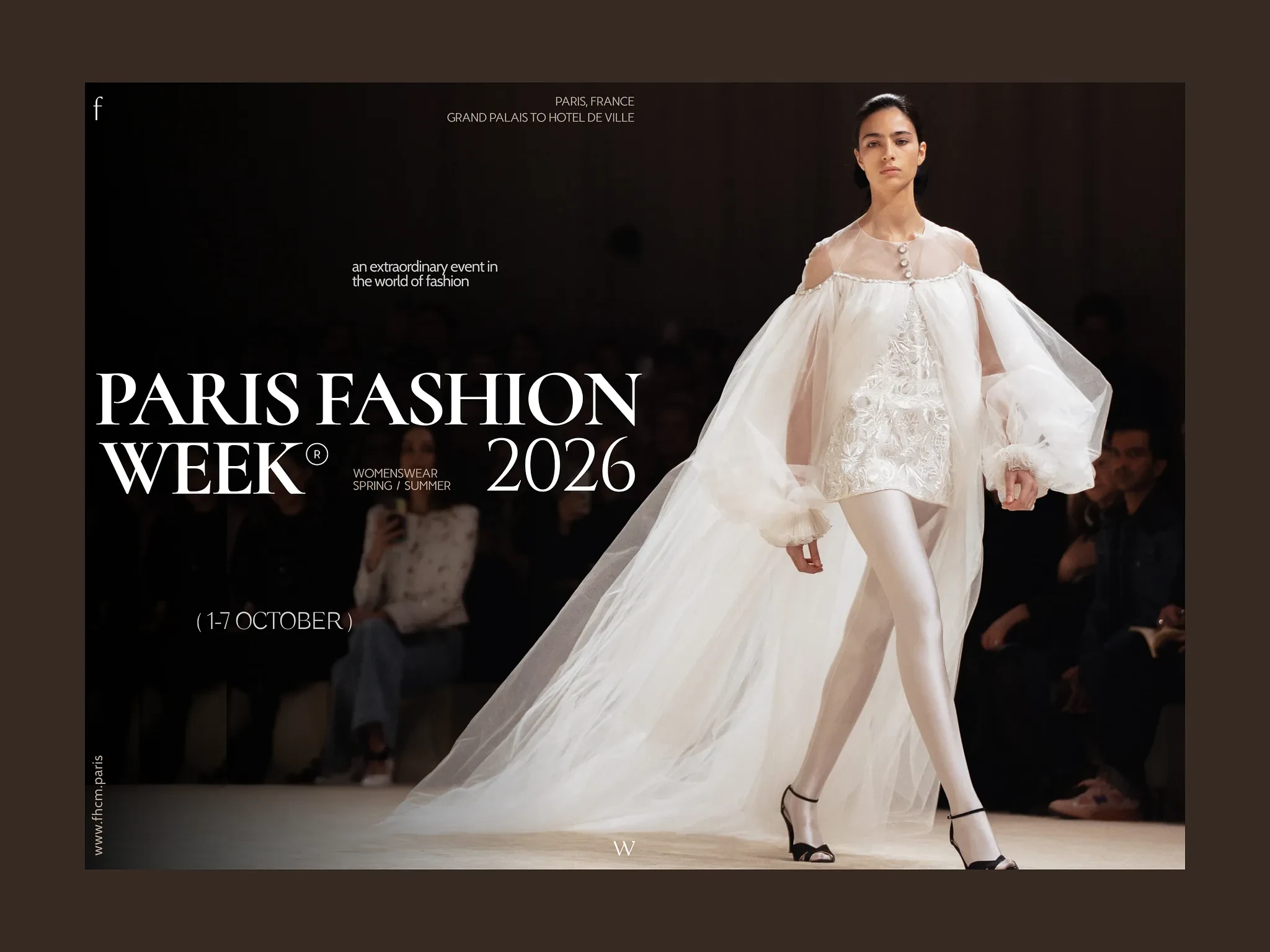
Source : Dribbble
Data-Informed Aesthetic Direction
Rather than relying solely on intuition, creative directors are leveraging AI platforms like Heuritech to analyze real-time social signals and "street style" data. By identifying early signals of emerging textures—such as the 30% surge in tulle popularity for 2026—brands can tailor their runway "surprises" to validated consumer desires (Source: Heuritech).
Intelligent Commerce: Redefining the Front Row Experience
Paris Fashion Week 2026 has introduced the concept of "Agentic Commerce." The goal is to bridge the gap between the inspiration of the runway and the friction of the checkout. AI in fashion is moving beyond the screen and into the very fabric of the purchasing journey.
Virtual Try-On and Digital Twins
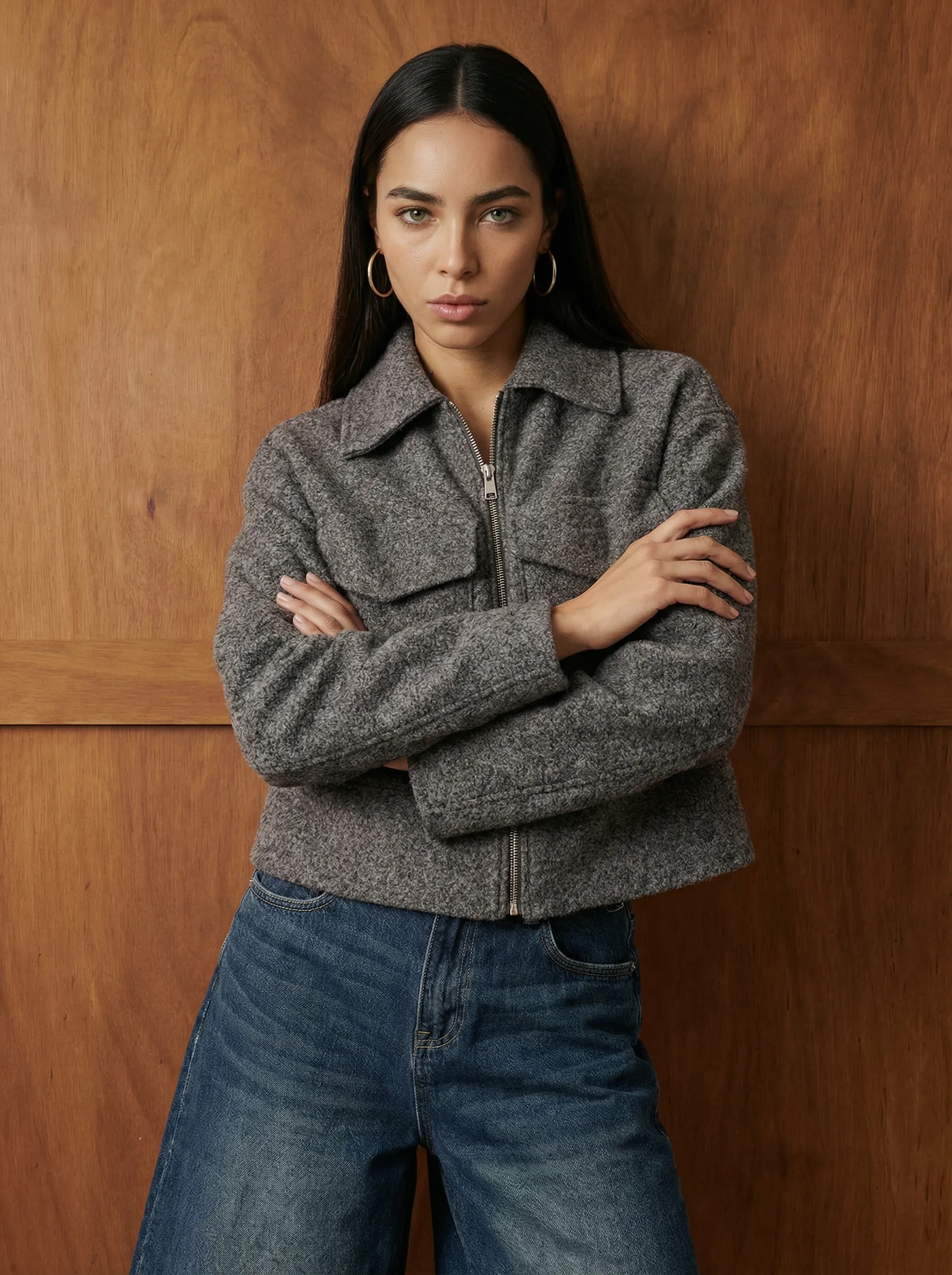
High-end brands are now launching "Digital Twins" of their runway pieces simultaneously with the physical show. Using advanced multimodal AI, attendees and online viewers can use a simple selfie to see how a $5,000 blazer would fit their specific body proportions in real-time. This tech-driven personalization is solving the "fit problem" that has historically plagued luxury e-commerce (Source: Fashion Week Online).
AI-Powered "Agentic" Shopping
2026 marks the rise of autonomous AI stylists. These agents do more than recommend; they execute. During the January shows, several labels integrated "buy buttons" directly into AI chat interfaces, allowing users to ask, "Find me a sustainable alternative to the coat at Look 12," and complete the purchase through an AI assistant that understands their budget and wardrobe gaps (Source: Licensing Magazine).
Sustainability Through Synthetic Innovation
The most significant ROI of tech innovations during fashion week is found in the "Conscious Pursuit of Excellence." AI is being utilized to ensure that luxury remains synonymous with sustainability, not excess.
Predictive Production and Zero-Waste
By using AI-driven demand forecasting, brands at Paris Fashion Week are now manufacturing only what the data suggests will sell. This "Predictive Production" aims to eliminate the 40% of unsold stock that has historically been the industry's greatest environmental burden (Source: Gelato).
Smart Textiles and Bio-Engineering
The 2026 runways featured "Smart Textiles" with embedded sensors and bio-fabricated materials like lab-grown mycelium. These innovations, scaled by AI-optimized manufacturing, allow for garments that are not only beautiful but also track health metrics or regulate temperature, bridging the gap between couture and high-performance tech (Source: Global Textile Times).
To learn more about other ways AI can improve fashion, read our article on generative AI for shoes : Discover.