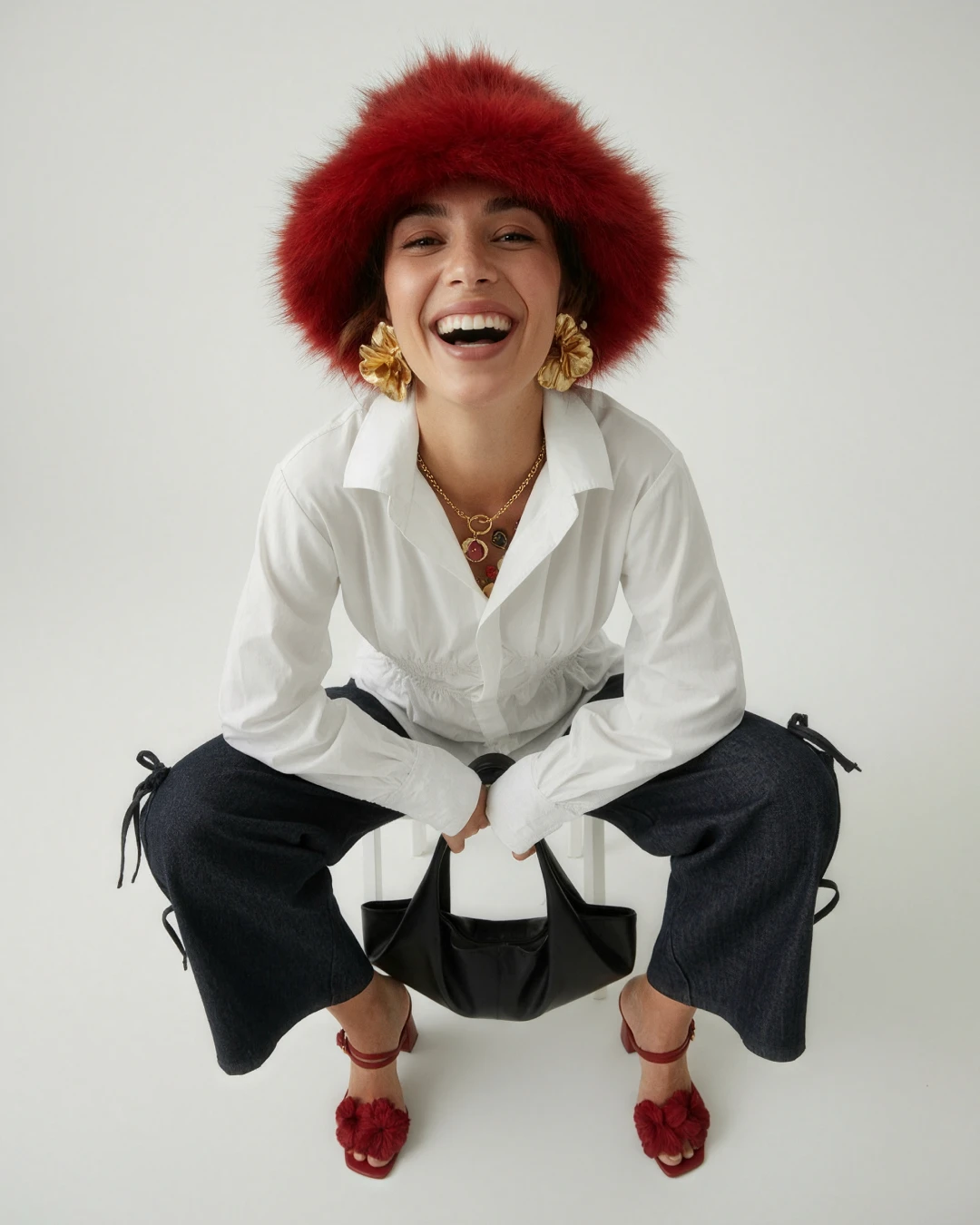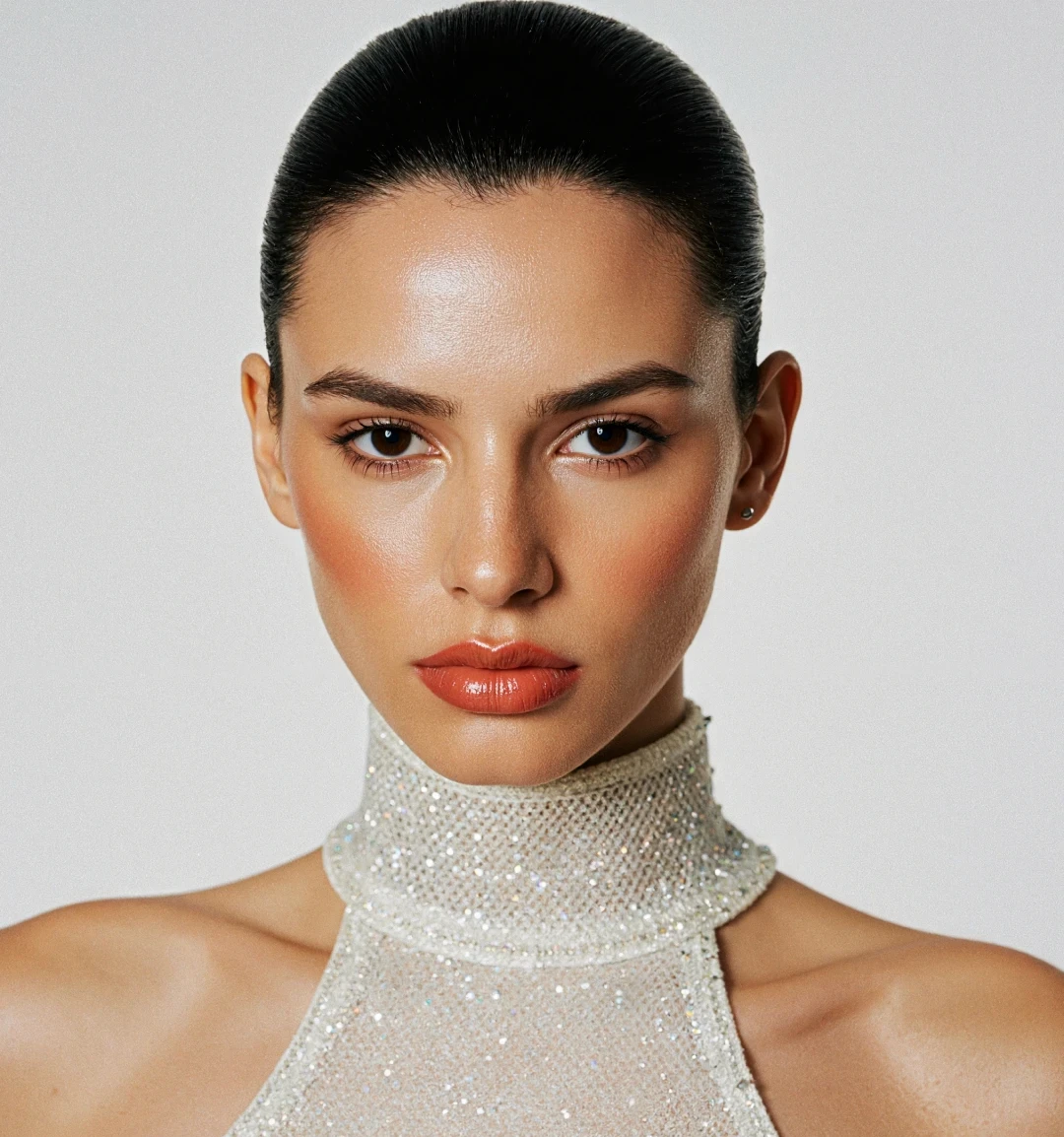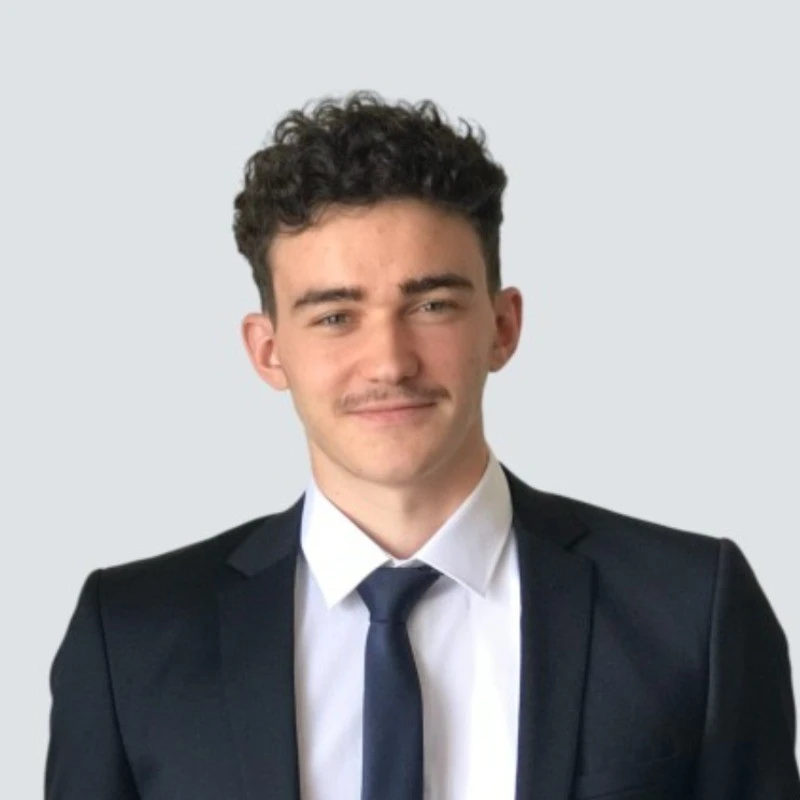
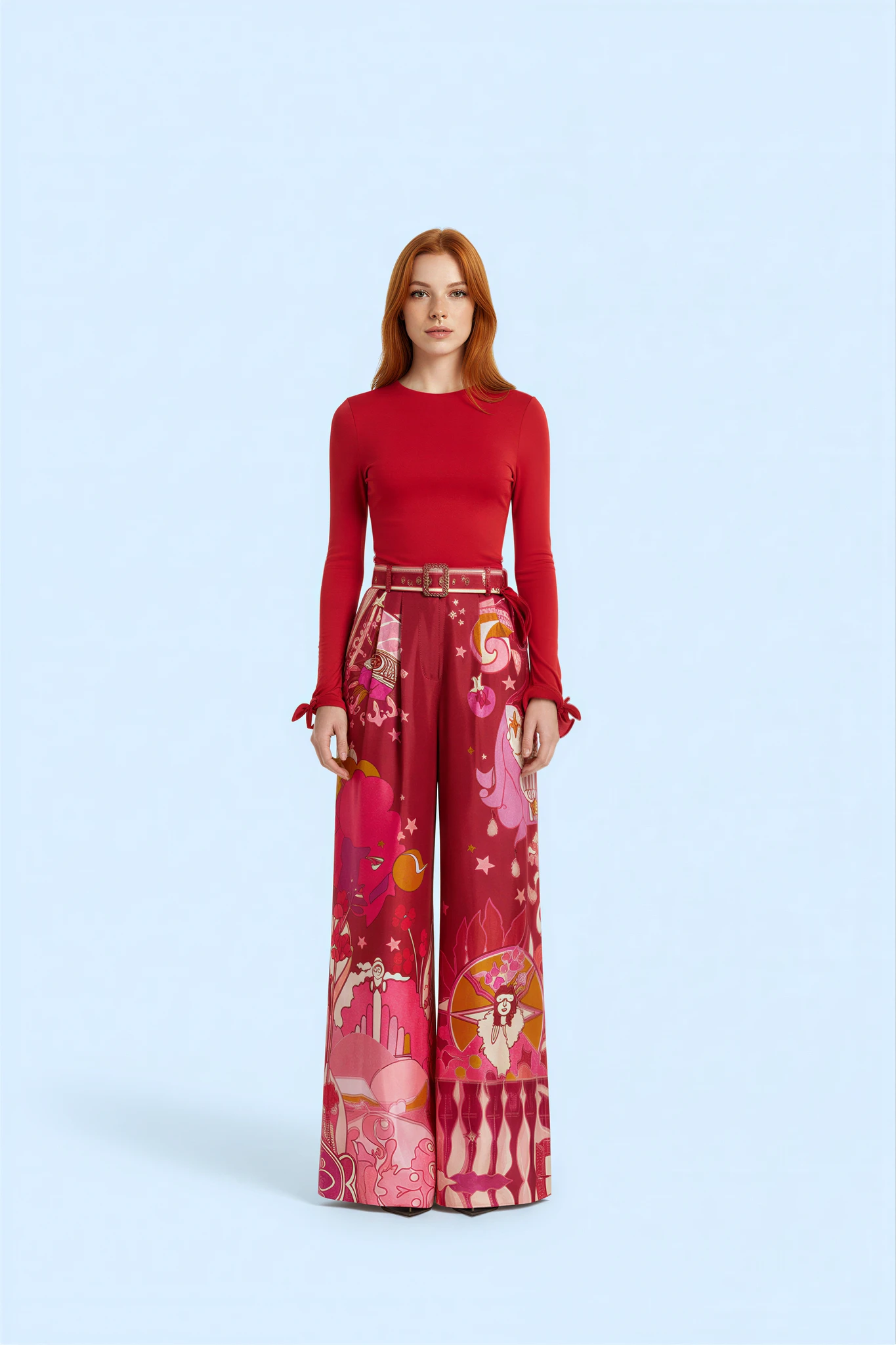
An AI fashion studio is a software platform that replaces the traditional photo studio for fashion brands: instead of booking a studio, models, and a photographer, you upload a garment photo and the AI generates photorealistic on-model imagery in minutes. It is the all-in-one workspace where a flat product shot becomes a full, on-brand catalog. Here is what an AI fashion studio does, how it works, what to look for, and how it compares to a traditional shoot.
What an AI fashion studio actually does
An AI fashion studio uses generative AI trained specifically on fashion, so it understands fabric, drape, lighting, and how clothes sit on a body. It turns product inputs into the imagery a fashion brand actually needs: catalog and product-page (PDP) photos, full AI photoshoots, and increasingly lifestyle and editorial shoots. Veeton is exactly that, an AI fashion studio built for catalog, photoshoots, and PDPs, and more and more for lifestyle and editorial imagery. Unlike a general image generator, it is built around fashion imagery end to end, not a single trick. (It is distinct from AI fashion design software, which generates garment patterns and sketches; a fashion studio is about imagery.)
What an AI fashion studio creates: the full toolkit
A real studio is a whole suite of tools, not a single generator. Veeton covers the catalog from every angle:
- Flat-lay generator: clean, consistent flat-lay product shots.
- Ghost-mannequin generator: invisible-mannequin images that show a garment's 3D shape.
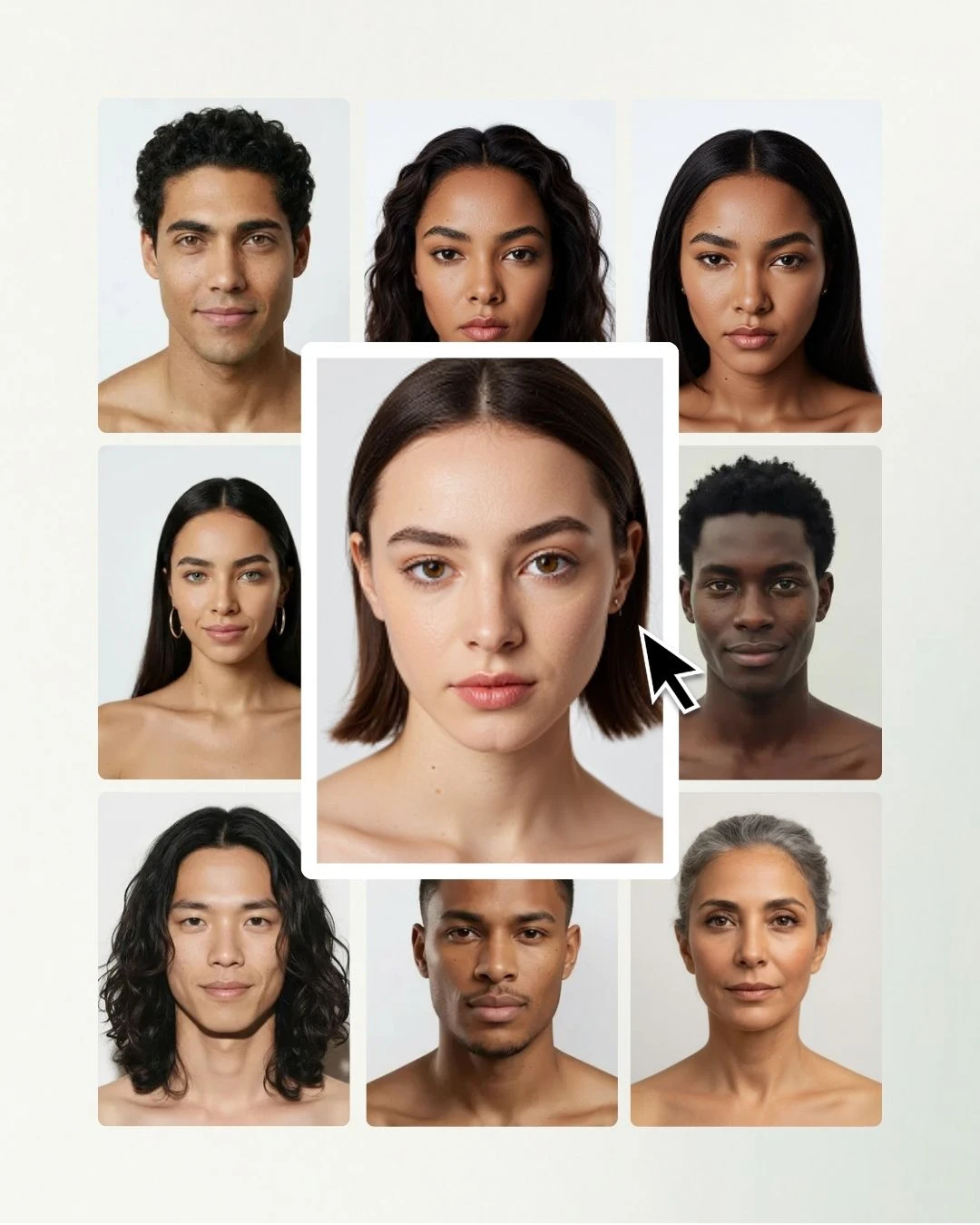
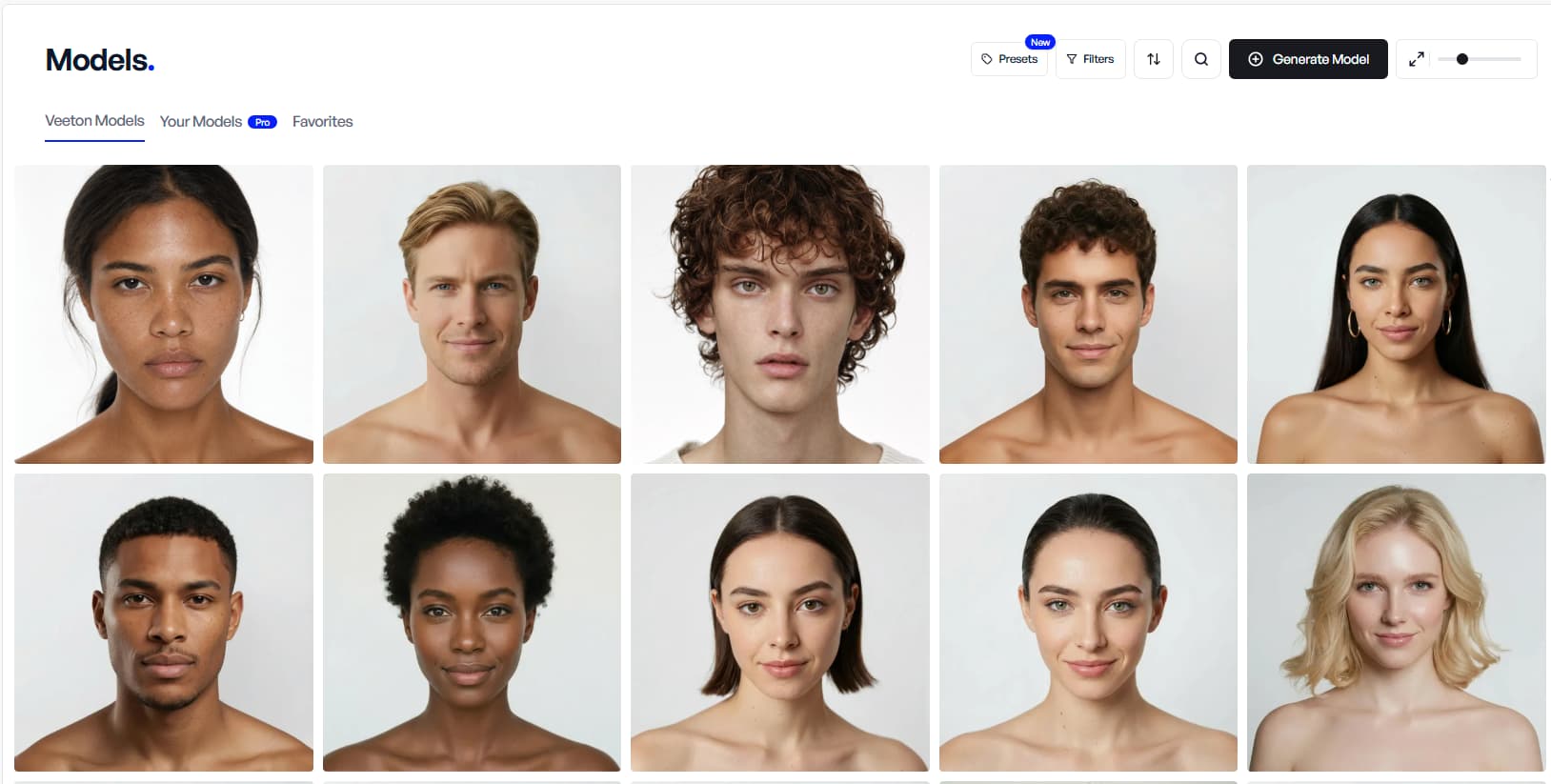
- AI fashion model generator: your garment worn by diverse, realistic AI fashion models, from a library or custom-created.
- AI photoshoots: an entire collection generated in one consistent style, the output of a whole AI photoshoot without the shoot.
- Lifestyle and editorial photoshoots: models in real-world scenes and campaign-style imagery, increasingly central as brands move beyond plain catalog shots.
- AI image editing: edit, crop, resize, and refine any image right inside the studio.
Every image can be generated in 1K, 2K, or 4K, so the same studio output works for a thumbnail, a full PDP, or a large-format campaign.
How an AI fashion studio works
The workflow is the same handful of steps, run in software instead of a studio:
- Upload the product as a flat-lay, hanger, or ghost-mannequin photo. No sample shipping.
- Pick or generate the model and scene from a library, or create a custom model (age, body type, skin tone) and set the background, pose, and whether you want a clean catalog or a lifestyle/editorial look.
- Generate photorealistic images in minutes.
- Edit and scale: crop, resize, or refine in the studio, then run the whole collection in batch, exported in 1K, 2K, or 4K.
How the technology actually works
Under the hood, a generative model trained on large volumes of fashion imagery produces the photorealistic model, pose, and scene, having learned how fabric falls, how bodies are proportioned, and how studio light behaves. Because the input is your real product, a serious studio also works to stay faithful to the original garment, its print, cut, and details, and that faithfulness is something Veeton is deliberately careful about and keeps improving. Output can be rendered at 1K, 2K, or 4K depending on where the image will live. The short version: a fashion-trained studio produces fashion-grade imagery a general image generator simply cannot.
What to look for in an AI fashion studio
Not every tool that generates a model is a studio. The platforms worth using share a set of traits, and they double as your checklist:
- A full toolkit, not one generator: flat-lay, ghost mannequin, on-model, photoshoots, lifestyle and editorial, plus in-studio image editing.
- A diverse model library and custom model creation, including kids and baby models.
- Batch processing for whole catalogs, not one image at a time.
- High-resolution output in 1K, 2K, and 4K, for any placement from thumbnail to campaign.
- Faithfulness to your real garment, which the best studios treat as an ongoing priority.
- A commercial license, so the output is yours across ecommerce, ads, and social.
- Integrations: a Shopify connection and an API, so the studio fits your store and scales through automation.
- Fashion-specific by design, not a repurposed general image tool.
AI fashion studio vs a traditional studio
The contrast is stark on the factors that decide catalog production:
AI fashion studio | Traditional studio | |
|---|---|---|
Cost | a subscription; cents to a few dollars per image | $10,000 to $20,000 per shoot |
Turnaround | minutes to hours | weeks |
Models | choose or generate any | cast and book each time |
Samples | upload a photo | ship every sample |
Scale | whole catalog in batch | limited by shoot days |
Consistency | uniform across the catalog | varies shoot to shoot |
A traditional studio still earns its place for flagship editorial, but for catalog and product-page imagery an AI fashion studio cuts cost by 80 to 90%, collapses weeks into hours, and has been shown to reduce listing-creation time by around 73%.

When a traditional studio still makes sense
An AI fashion studio is not a total replacement, and an honest one will say so. A traditional shoot still earns its place for flagship editorial and brand campaigns built around a specific human, a real location, or a creative concept the AI cannot yet nail, and for the occasional hero product where a hands-on art director adds something the software cannot. The pattern most brands settle on is simple: run the AI studio for the catalog and the bulk of product and ad imagery, and book a traditional shoot once or twice a year for the campaigns that trade on a particular person or place.
What an AI fashion studio is worth
The savings are only half the story; the imagery itself performs. High-quality on-model visuals lift conversion by up to 33% over low-quality images, and accurate imagery cuts returns by as much as 22% by setting correct fit and color expectations. And because a studio turns weeks of production into hours, brands get to market while a trend is still hot, which protects full-price sell-through. So an AI fashion studio is not just cheaper than a shoot, it makes the catalog convert better and refresh faster, the two levers that actually move revenue.
AI fashion studio vs single-feature AI tools
Many tools do one slice, a background remover, a single model generator, a try-on widget. A studio is the difference between a point tool and a production line: one place that handles models, scenes, formats, batch, and upscaling, so your whole catalog comes out consistent instead of stitched together from five apps. For the wider landscape, see the best AI photoshoot tools.
Who uses an AI fashion studio?
Brands of every size, with the payoff growing with catalog size:
- DTC and emerging brands get professional imagery without a studio budget.
- Marketplaces and high-volume sellers keep large catalogs consistent and current.
- Established retailers scale seasonal drops and test visuals faster.
The common thread is apparel and fashion ecommerce, where casting-and-shooting is the bottleneck.
How to adopt an AI fashion studio
Bringing one in is low-risk if you stage it:
- Pilot a small batch of representative products and judge garment fidelity on your trickiest pieces first.
- Set a quality bar for what ships as-is versus what needs a second pass.
- Integrate it into the catalog workflow so new stock goes from photo to live product page the day it arrives.
Where an AI fashion studio fits in your stack
A studio is most useful when it plugs into the tools you already run. Veeton connects straight to your store: a Shopify integration syncs your products in and pushes finished on-model images back to the right listings, so there is no manual export-and-re-upload. For higher volume, the Veeton API automates the whole pipeline: send product photos in, get studio-quality imagery out, and wire it into your PIM, DAM, or a custom workflow. With batch generation and team access on top, a small creative crew can run an entire catalog. The practical test is simple: can new stock go from a product photo to a live, on-model PDP without leaving the tools you already use? With the Shopify connection or the API, it can, and the studio becomes part of how the catalog ships rather than a separate project.
Build your own vs buy an AI fashion studio
With open image models now available, larger brands sometimes ask whether to build an in-house pipeline instead of buying a studio. Building gives maximum control, but it means standing up and maintaining generative models, garment preservation, high-resolution rendering, a model library, and a usable interface, then keeping pace as the technology moves month to month. For all but the largest, most technical teams, a purpose-built AI fashion studio reaches value far faster and costs less to run, because the fashion-specific training, fidelity, and batch tooling are already solved. The rule of thumb: build when AI imagery is your core product, and buy when it is simply how you sell clothes.
Key AI fashion studio terms
- AI fashion studio: a software platform that generates photorealistic fashion imagery from product photos, replacing a traditional photo studio.
- On-model imagery: your garment shown worn by a real or AI-generated model.
- Garment fidelity: how accurately the studio preserves your real product on the model.
- Custom model: an exclusive AI model generated as a recurring brand face.
- Batch generation: producing imagery for many products in a single pass.
- Resolution (1K / 2K / 4K): the output sizes a studio can render, from thumbnails and PDPs to large-format campaign use.
- Lifestyle / editorial shoot: on-model imagery in real-world scenes or campaign styling, beyond plain catalog shots.
Is there a free AI fashion studio?
Yes. Veeton is a complete AI fashion studio you can start free, with 10 credits and no card required, so you can turn a real product photo into on-model imagery before you commit. Paid plans add the volume, batch processing, and commercial license a growing catalog needs.
Ready to replace the shoot? Try Veeton free and generate your first AI fashion studio images in minutes.