Defining Your Fashion Brand Identity and Values
Day 1: Define Your Style and Brand DNA
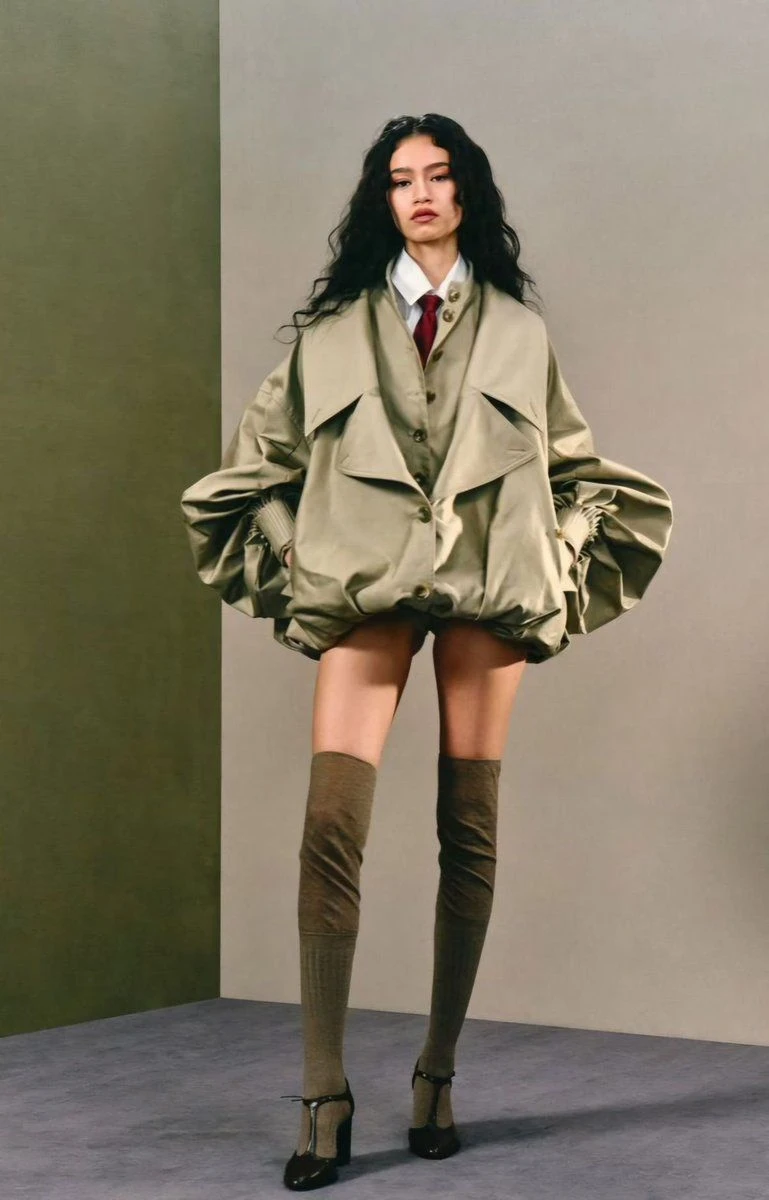
Before sketching a single piece, ask yourself one simple question: what do you want to say with your clothes? A fashion brand is, above all, a point of view. The founder of Ogarun, Yoann, wasn’t a trained clothes designer, he previously worked at Décathlon in retail-focused roles. But he had a clear conviction: to offer quality, durable outdoor clothing made from natural materials like merino wool. That clarity of vision made everything possible.
To define your DNA:
- Identify your brand’s 3 non-negotiable values (sustainability, inclusivity, performance…)
- Describe in one sentence who you’re speaking to and why your brand exists for them
- Analyze your direct competitors: what are they not doing, or doing poorly?
Modern Logo Design Studio | Professional, Custom & Minimal Brand
Self-Creative Director - Pervahuman
Fashion brands that establish a clear positioning from the start reduce their time to market by several months, avoiding back-and-forth on design and communication.
Day 2: Define Your Preferred Production Model for the Brand Products
Style is great. But where will you have your pieces made? In France, Portugal, Turkey, or Asia? Each region comes with its own supply chain constraints: lead times, minimum order quantities, unit costs, and finishing quality. For a first collection, we recommend targeting factories that accept small runs (100 to 300 pieces) to test the market without overstocking.
Key points to confirm with each manufacturer:
- Minimum order quantity (MOQ)
- Production and delivery lead times
- Certifications (GOTS, Oeko-Tex, etc.) if you’re making a sustainability claim
- Whether samples are free or paid
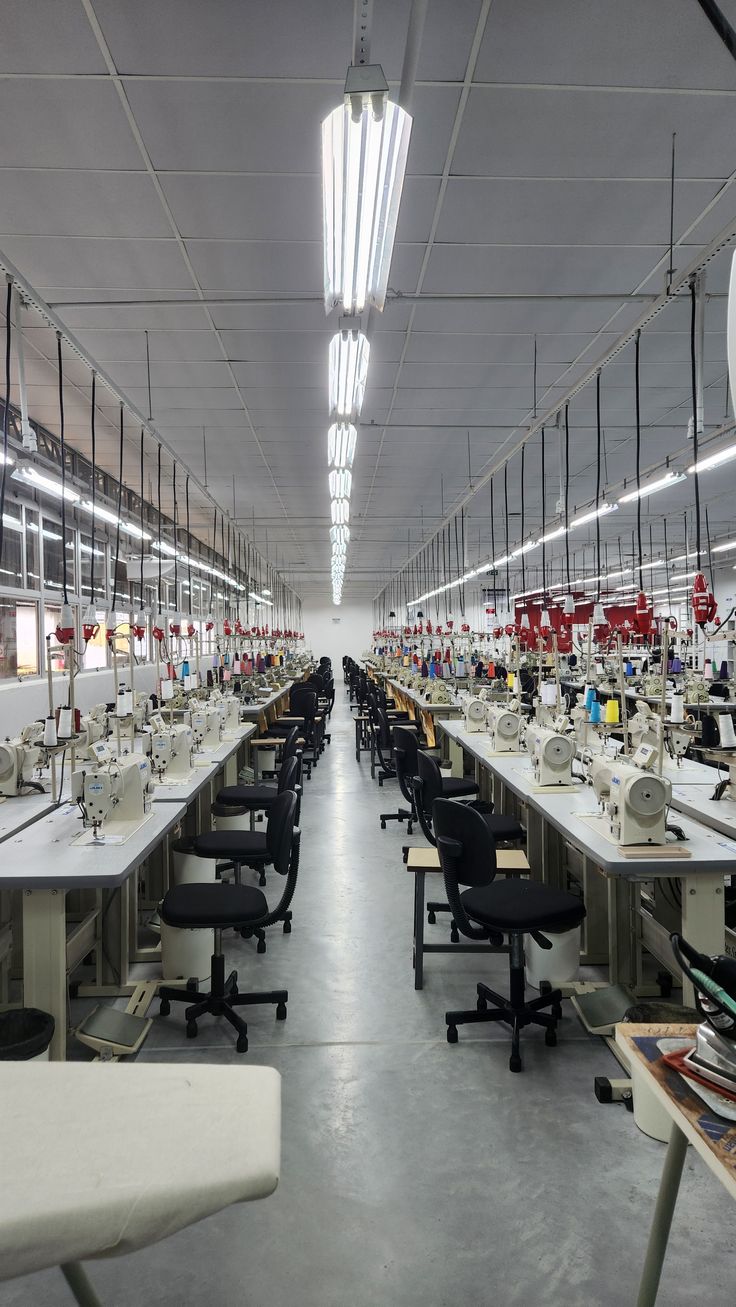
In Southern Europe (Portugal, Spain), production lead times for a small textile run typically range from 6 to 12 weeks, with MOQs often under 300 pieces.
Day 3: Choose the best Sales Channel and Define the Target of the brand
Selling online means choosing a platform. Two options dominate: Shopify and WooCommerce. Shopify is ready-to-use, quick to launch, and ideal if you’re starting solo. WooCommerce (on WordPress) offers more technical flexibility but requires more configuration. For a first store, Shopify remains the go-to choice among DNVBs.
Once you’ve chosen your platform, ask yourself: who is your ideal customer? Not “women aged 25 to 45”, that’s too vague. Think instead: “an urban young mother who runs on Sunday mornings and wants activewear that lasts 5 years.” The more precise your targeting, the better your message converts.
Shopify powers more than 4 million active stores as of 2025, with a dedicated app ecosystem for ecommerce product photography, ads, and logistics.
Build Your New Fashion Brand Action Plan
Day 4 & 5: Design and Produce Your Collection
Not a designer? Two options are available to you. Either work with a freelance clothes designer (via Malt, LinkedIn, or fashion schools), or develop your own silhouettes based on existing pieces that you have modified.
Key steps:
- Moodboard + creative brief (Pinterest, competitor references)
- Tech packs (materials, colors, cuts)
- Prototyping with your chosen factory
- Sample approval before launching production
The prototyping phase accounts for an average of 15 to 20% of a first collection’s launch budget, but prevents up to 40% of customer returns related to fit or material defects.
Day 6 & 7: Shooting & Go to Market with AI
This is often the last step forgotten, and the most decisive for driving sales. Successful ecommerce product photography can double your conversion rate. A traditional shoot (model, photographer, studio) costs between €1,500 and €5,000 per session, which is out of reach for many young brands.
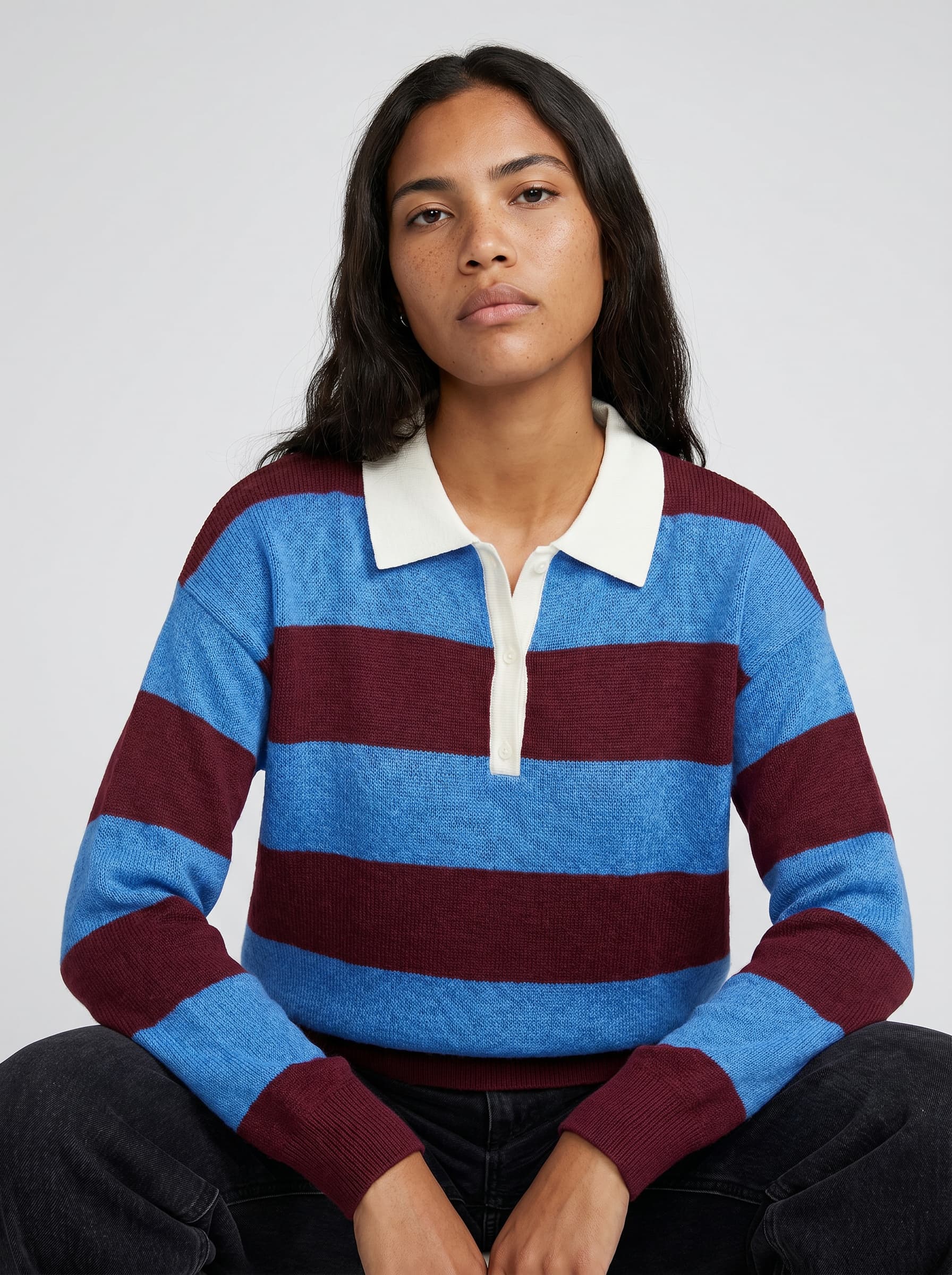
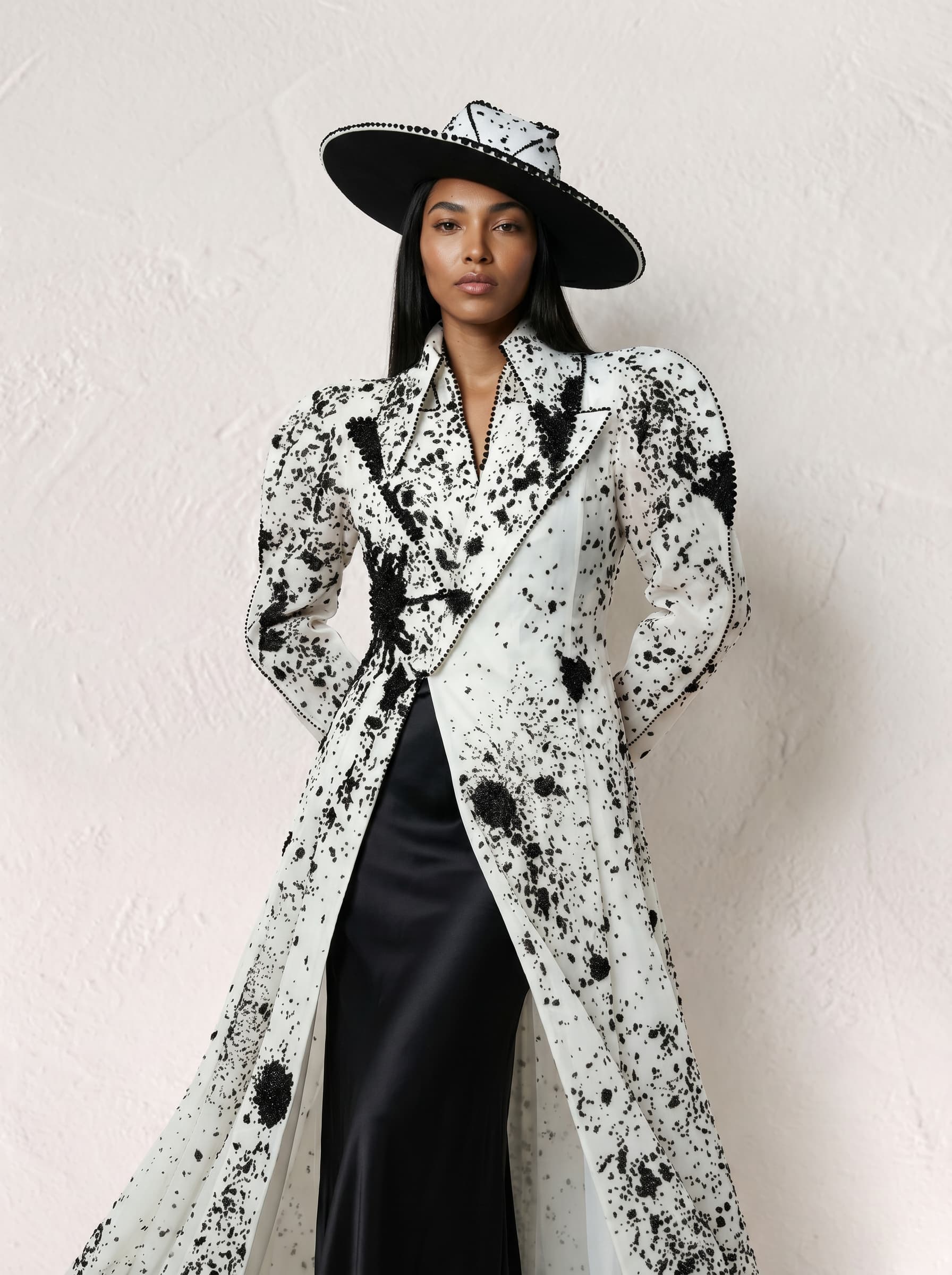
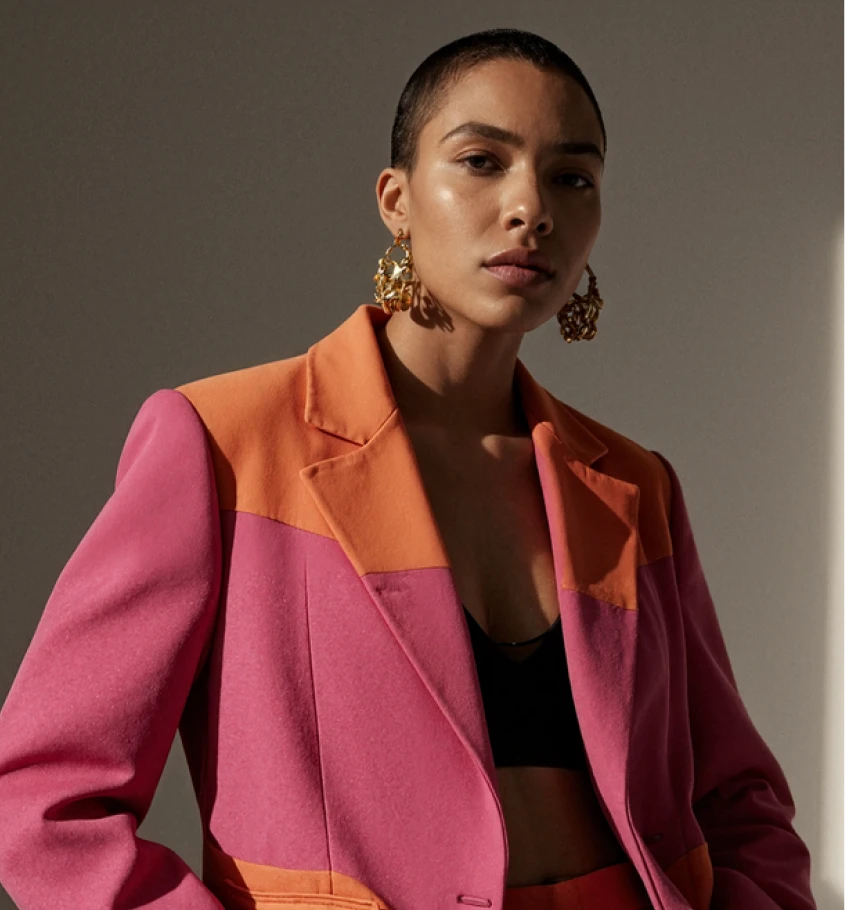
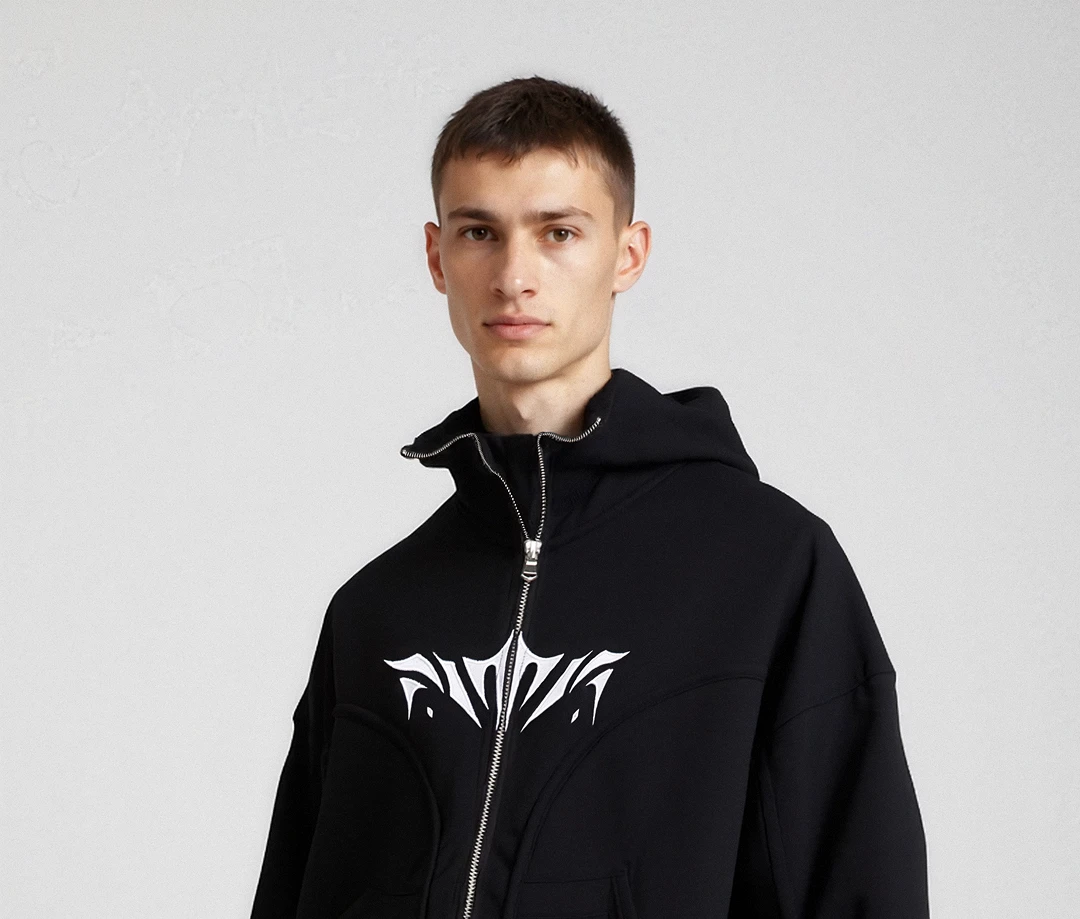
That’s exactly where Veeton comes in. From a simple flat-lay photo, the platform generates realistic AI model visuals tailored to your target audience, or a ghost mannequin photography result. Within hours, you have images ready for your online store and social media — no studio, no logistics, no waiting.
With Veeton, a brand can generate worn e-commerce visuals from a flat-lay photo for a unit cost under €2, compared to an average of €30 for a traditional studio shoot.
AI try-on technology allows you to test multiple model body types on the same product, enabling visual A/B testing that would be impossible to achieve with a traditional shoot at the same cost.
Tips to Go Further
1. Do You Have Direct Fashion Brands Competitors?
Before launching, research who is already doing what you want to do. If brands already occupy your positioning, analyze how they communicate, what their customers say in the comments, and what they’re not doing well. Competition is a positive signal: it validates that the market exists.
2. How to Find the Best Manufacturers for the Brand?
- Attend trade shows: Première Vision (Paris), Munich Fabric Start
- Join LinkedIn or Facebook groups for fashion brand founders
- Explore platforms like Textileaddict.me or Sourcemap to find certified factories
Textile trade shows like Première Vision Paris bring together more than 1,500 exhibitors from 60 countries each season, offering direct access to manufacturers selected for their quality and responsible practices.
3. Meet Other Fashion Brands & Keep Learning
The best accelerator is your network. Other founders have already made the mistakes you’re about to make. Join communities like Slack groups for French-speaking DNVBs, fashion incubators (IFM, Fashion Tech Alliance), or follow founders on LinkedIn. Learning from others’ experience is often faster than learning from your own.