Between receiving a product and publishing it online, two steps systematically slow down your time-to-market: writing product descriptions and producing visuals. Here’s how to automate both tasks with concrete AI tools.
Understanding What You Can Actually Accelerate
Time-to-market refers to the length of time it takes from a product being conceived until it is available for sale. For a fashion brand, a large part of this delay is out of your hands: suppliers have their own production schedules, and delivery timelines depend on international logistics.
But between receiving the product and publishing it online, there is a window where you can act. That’s where AI comes in.
We identified two consistently time-consuming steps in this process:
- Writing product descriptions
- Producing on-model visuals (photo shoot)
Both steps are now fully automatable with AI. Here’s how.
Between receiving a product and publishing it on a Shopify store, writing product descriptions and producing visuals are the two main bottlenecks that AI can eliminate.
First Example of AI in Retail: Automating Product Descriptions
Why Writing Product Descriptions Slows Down Your Go-Live
Writing product descriptions is a repetitive, time-consuming task that is often underestimated. For each SKU, you need an optimized title, a commercial description, technical attributes, and sometimes SEO metadata. Across a collection of 50 to 500 items, that adds up to several days of work.
E-commerce merchants are actively looking for ways to automate this step. In specialized discussions about product feed management (such as those found on PPC forums), several approaches come up consistently:
- Using an AI agent prompted with the supplier catalog
- Connecting an LLM directly to the product data feed
- Creating automated description templates from existing product attributes

For a collection of 100 SKUs, writing product descriptions manually can take 2 to 4 full days of work, compared to just a few hours with an automated workflow.
Building an Automated Workflow with Make
Make is a no-code tool for building automations between applications. It has native connectors for Shopify and can integrate AI agents as a core module within the workflow.
Here’s how to build this workflow in practice:
- Trigger: a new product is added to your Shopify catalog (or imported from your supplier)
- AI module: an agent is prompted to write the product description from raw attributes (name, material, color, size)
- Action: the generated description is automatically pushed into the corresponding Shopify product page
The AI agent can be trained to follow your brand’s editorial tone, SEO guidelines, and the description formats expected on your store. Make allows you to connect Shopify to language models to automatically generate SEO-optimized product descriptions at scale.
A Make scenario connected to Shopify can generate and publish a complete product description in under 2 minutes per SKU, with no human intervention.
Specialized Service: Wisewand for AI Product Descriptions
For brands that don’t want to build their own workflow, dedicated services exist. Wisewand is a tool built specifically for the automatic generation of product descriptions using AI, designed for e-commerce merchants.
It allows you to:
- Generate descriptions tailored to your brand voice
- Optimize content for SEO
- Process multiple SKUs simultaneously
Wisewand generates SEO-optimized product descriptions from raw data, with editorial tone settings configurable per brand.
Second Example of AI in Retail: The Photo Shoot
Why Photo Shoots Are a Time-to-Market Bottleneck
Organizing a traditional photo shoot takes time: booking models, reserving a studio, shipping samples, post-production retouching. For an e-commerce manager at an established brand, this alone can mean 3 weeks between receiving stock and going live.
AI photoshoots allow you to bypass this entire logistics chain. Starting from a simple flatlay or ghost mannequin photo, an AI tool generates on-model visuals with custom backgrounds in seconds.
An AI photoshoot reduces visual production time from 3 weeks to a few hours, starting from a flatlay provided by the supplier.
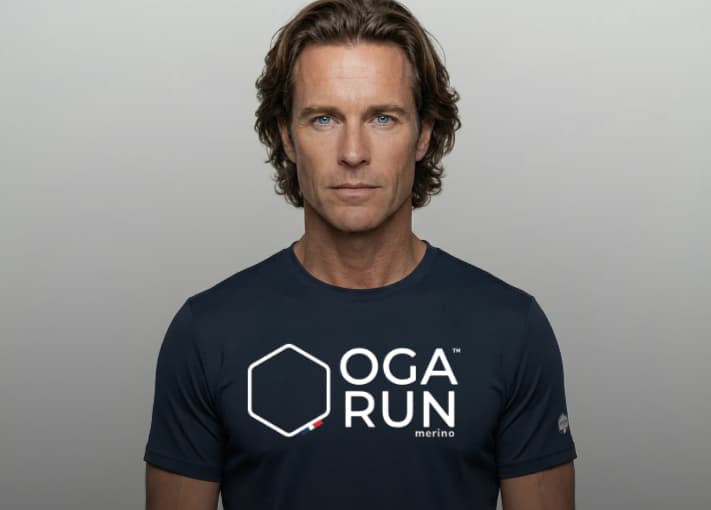
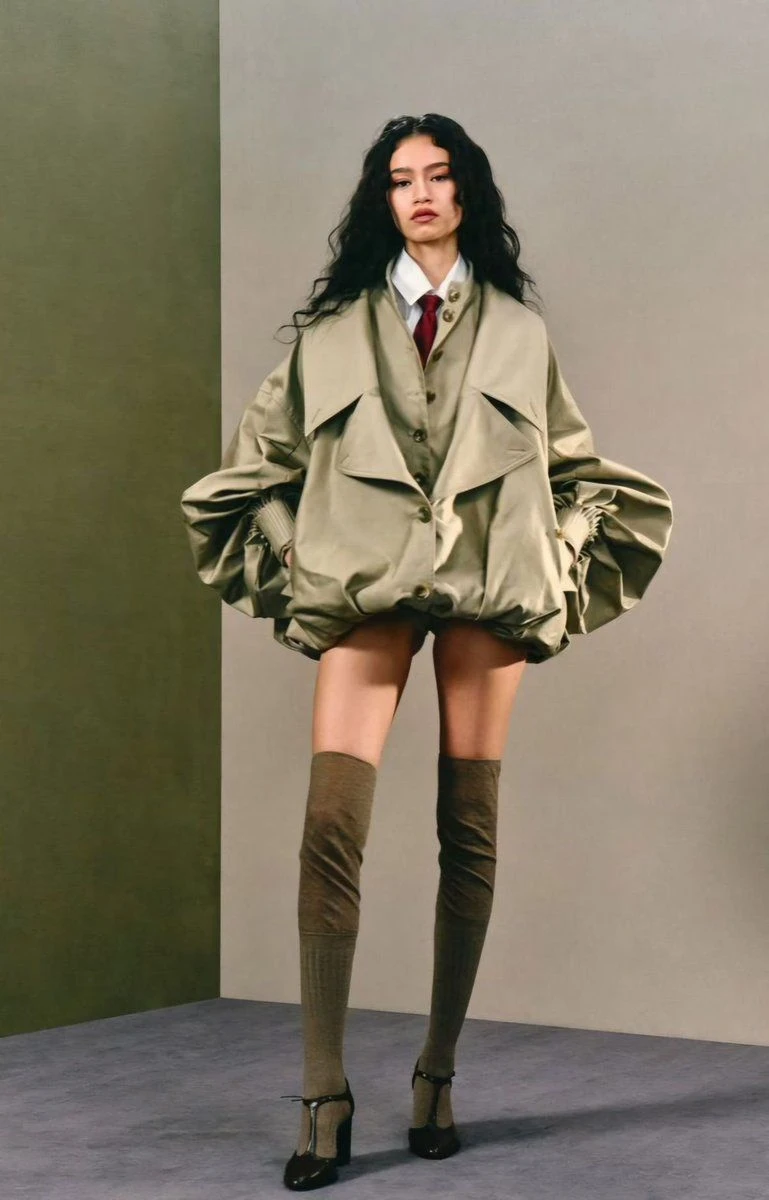
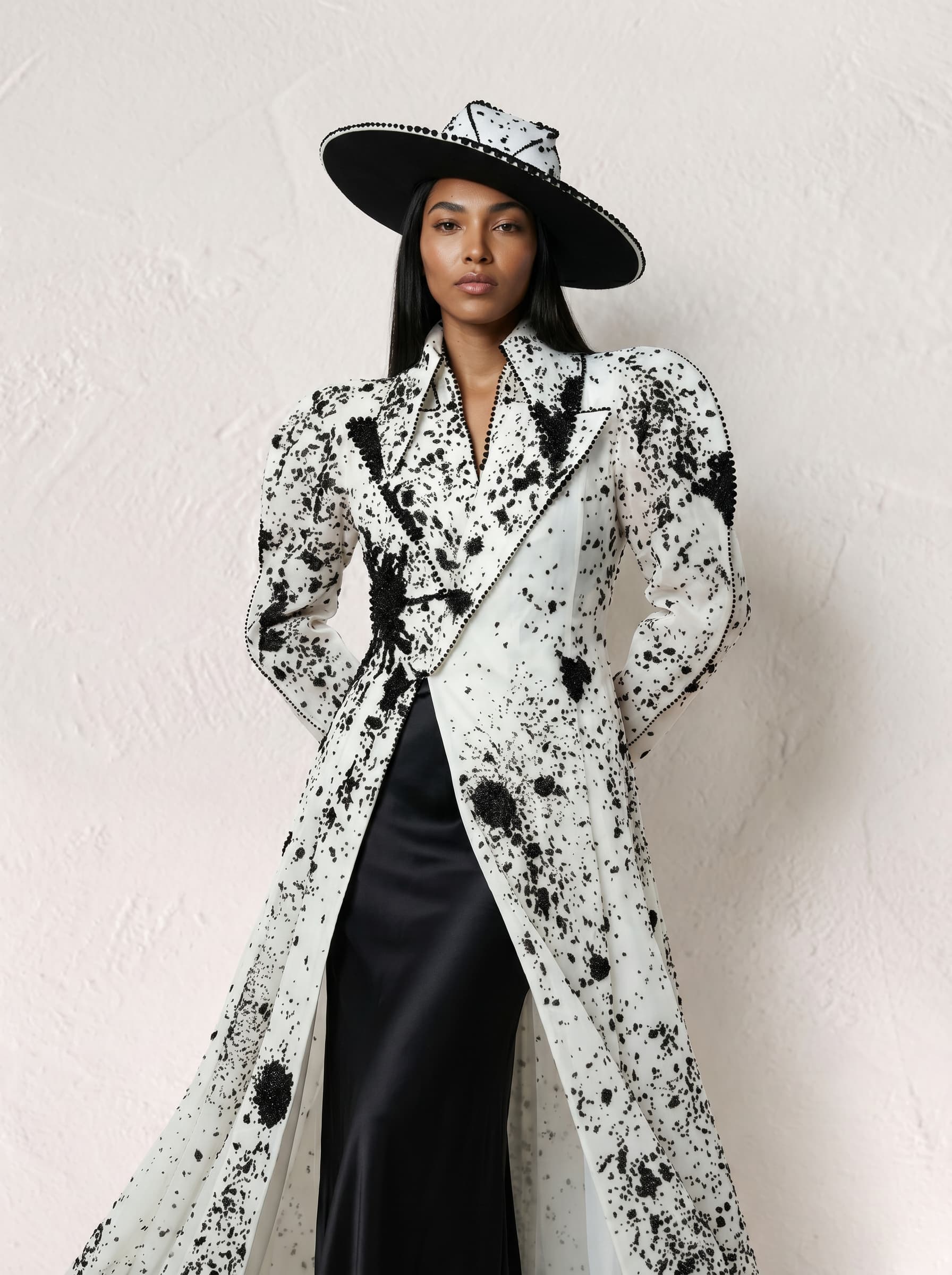
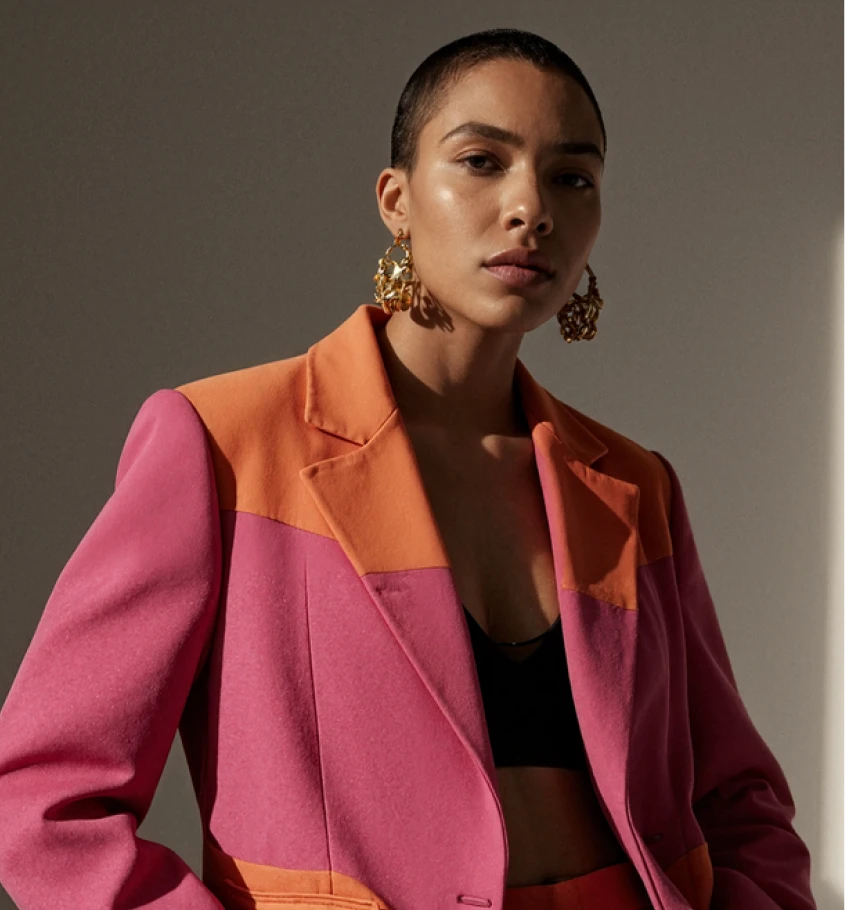
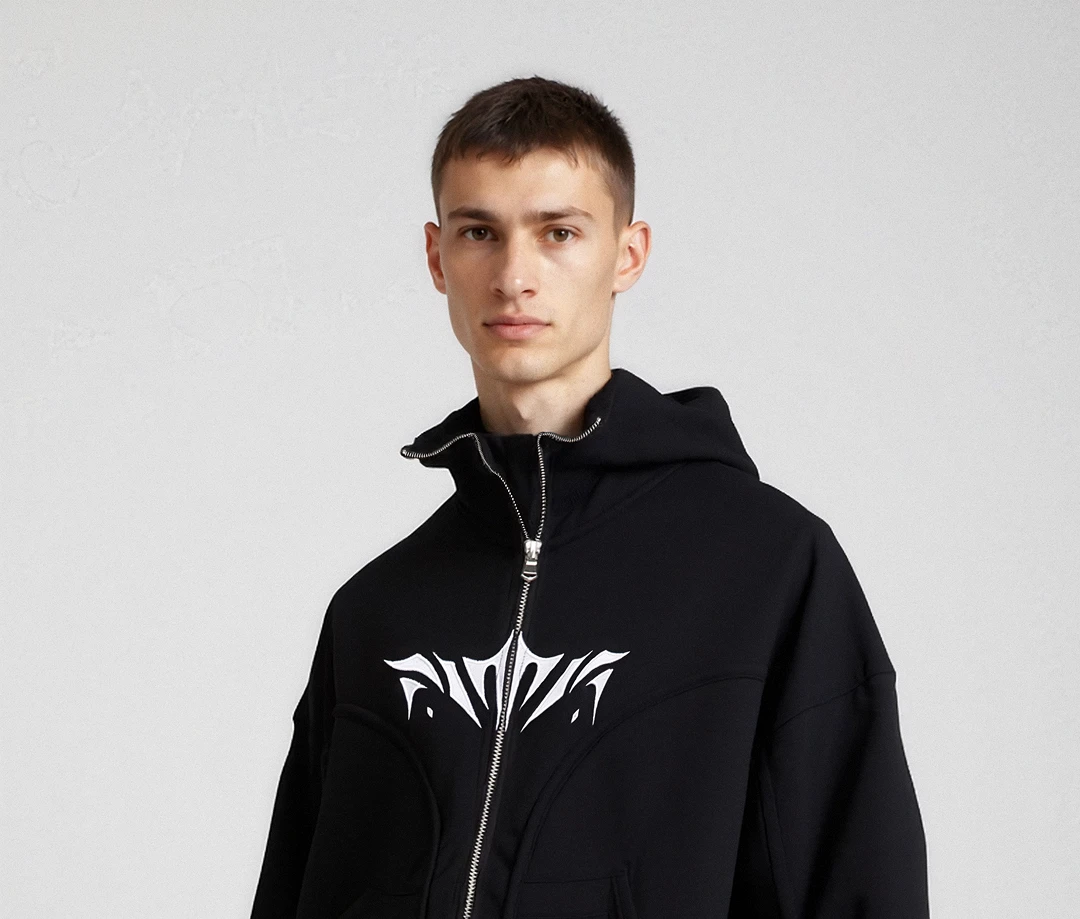
Image generated on Veeton. Ogarun is a brand that has tested AI-powered photo shoots (in partnership with Veeton) and has accelerated its time to market. Click here to read the testimonial.
Available Tools for AI Photo Shoots
The market now offers around twenty specialized platforms. We selected and compared the 20 best for fashion brands. Among the key players:
- Veeton: advanced batch mode, full photo studio, and collection management platform
- Fashn AI: advanced text-to-image flow, dedicated API for technical teams
- Modelia: guided onboarding, integrated SEO description generation
- Photta: advanced customization (model size, facial expression, 2K/4K ratio)
- Uwear AI: integrated conversational agent for editing generated images
In 2026, more than twenty specialized platforms allow fashion brands to generate on-model visuals from a product photo, without a physical model or studio.
Veeton: The AI Photo Studio for Fashion Brands
Veeton is an AI photo shoot solution built specifically for fashion brands. Starting from a flatlay or ghost photo, Veeton generates ultra-realistic on-model visuals across all categories: adult, kids, and baby.
Key features available on the platform:
- AI Models: library of AI-generated models, or creation of a custom model
- AI Backgrounds: generated or custom backgrounds matching your brand universe
- Ghosts & Flatlays: converting a ghost mannequin photo into an on-model image
- AI Videos: generating video content from a product photo
- Edit with AI: integrated retouching within the same workspace
For high-volume brands, batch mode allows hundreds of SKUs to be processed simultaneously, with no sample logistics required.
Veeton offers a native batch mode for high-volume processing, with the broadest product category coverage on the market (adult, kids, and baby).
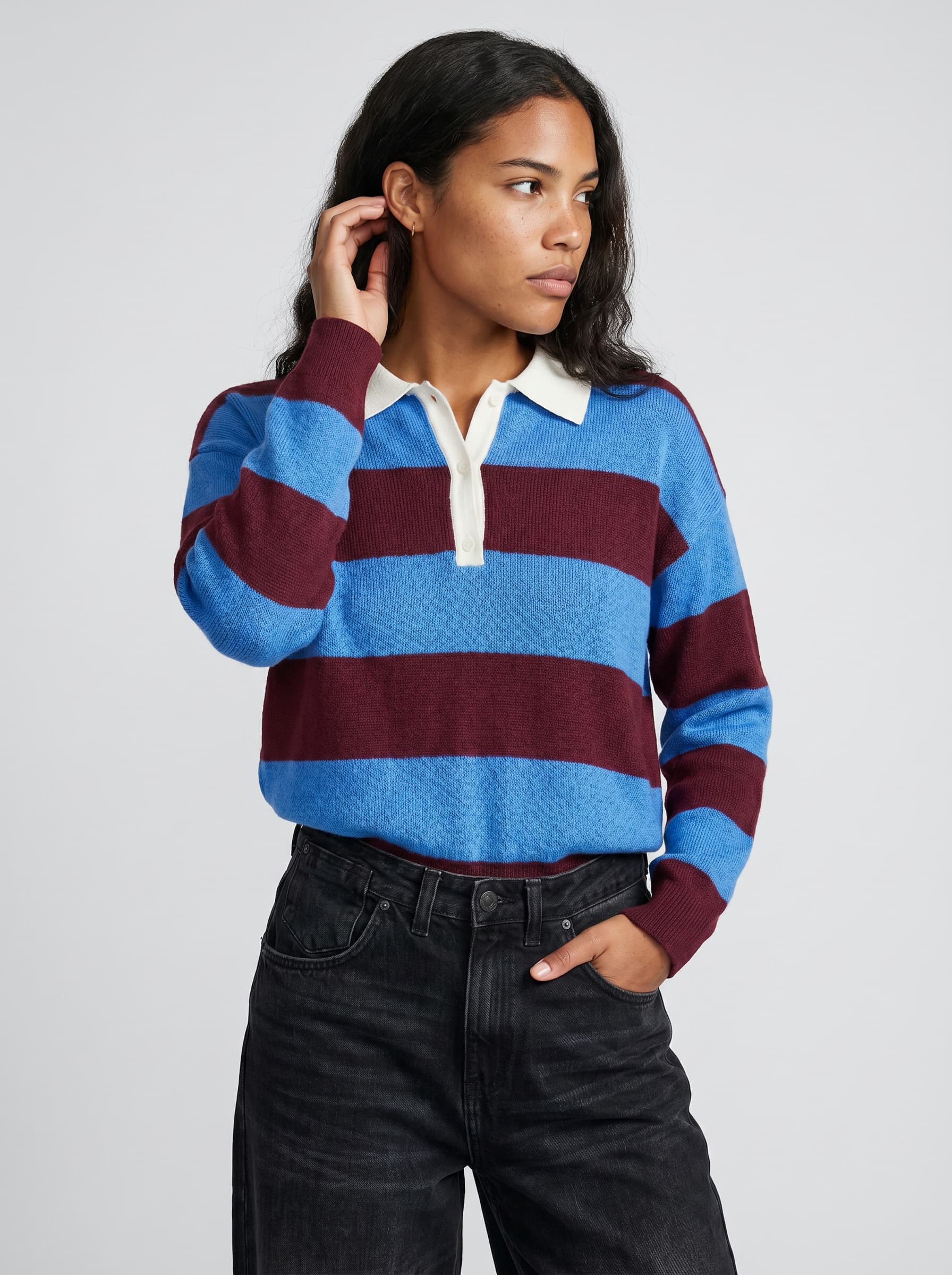
One pose, 3 visuals, generated with Veeton.