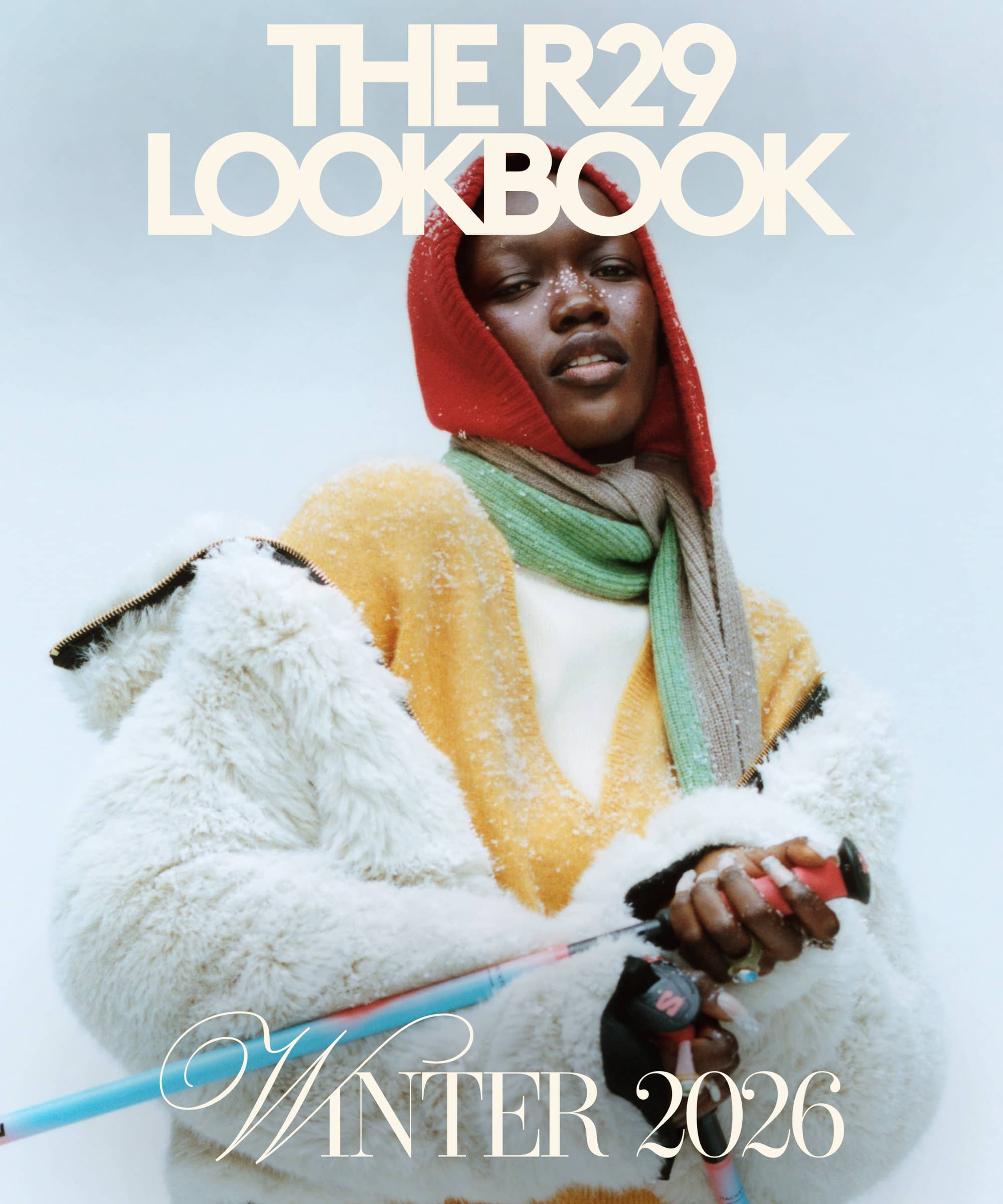
A lookbook and a fashion catalog are two complementary but distinct tools. One sells the universe of a collection and a brand, the other sells its products. Understanding the difference helps structure your commercial and communication strategy more effectively.
What is a look book?
Definition & usage of a lookbook in fashion
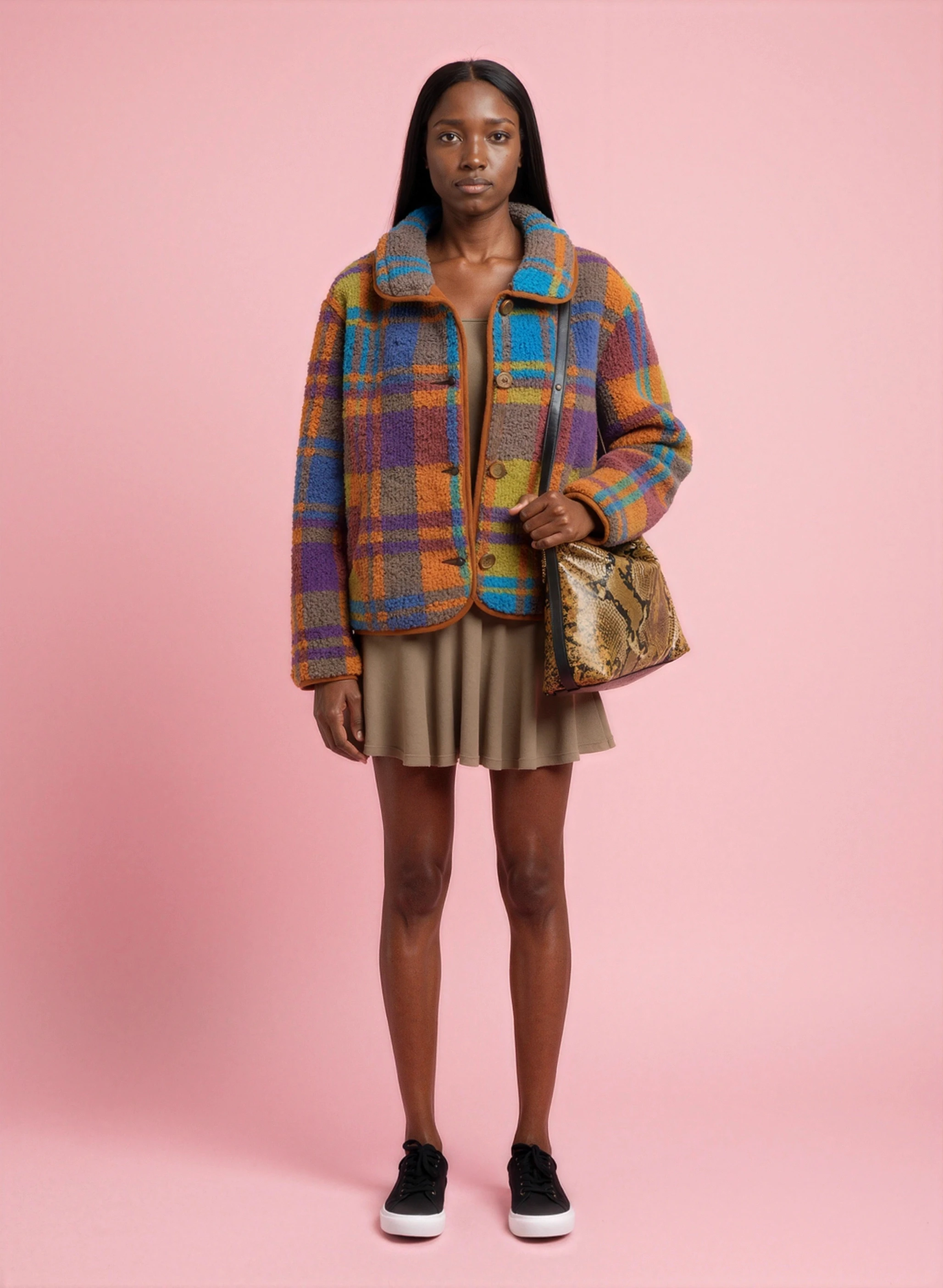
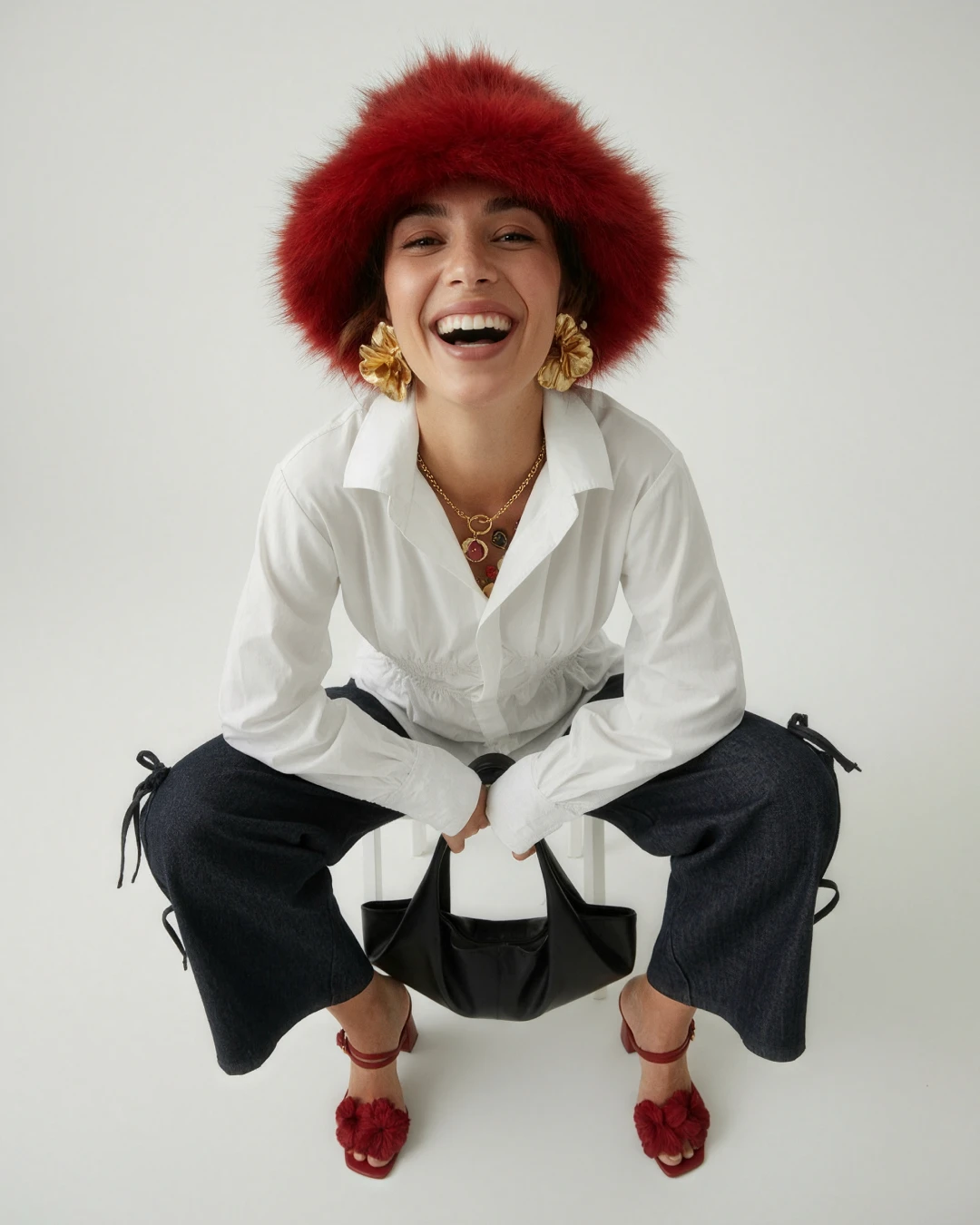
A lookbook is a visual document that presents a collection through styled imagery. Its main objective is to seduce: multi-brand buyers, fashion editors, stylists, or consumers directly.
- It highlights the brand's visual identity, art direction, and universe.
- It shows how to wear the pieces: color combinations, textures, silhouettes.
- It does not detail technical information: no prices, no sizes, no SKU references.
An effective lookbook doesn't show a product — it shows the DNA of a brand and a collection.
Brands that send a lookbook to buyers before a B2B presentation achieve better engagement because they set the universe before getting into technical details.
A lookbook is the tool of emotion. It lays the groundwork for the catalog to take over.
Techniques and tips for creating an eye-catching lookbook
For a successful lookbook, the goal is to build a coherent visual narrative from the first page to the last. A few concrete levers:
- Lead with a strong cover: the first page sets the tone for the entire collection. One image, one mood, one clear statement.
- Alternate between full-page shots and multi-image layouts: a full-bleed lifestyle photo followed by a grid of detail shots (fabric texture, a button, a silhouette from behind) creates visual rhythm and holds attention.
- Show the garment in motion: static poses don't sell an ambiance. A model sitting, walking, or caught mid-gesture communicates how the piece lives on a body.
- Give each look a dedicated spread: one look per page or double-page keeps the reading experience clean and lets each piece breathe.
- Use typography as a design element: a section title, a short quote, a collection name — text anchors the visual narrative and reinforces the brand's voice.
- Close with a "Thank You" or credits page: as seen in professional lookbooks, crediting the model, photographer, and stylist adds legitimacy and press-readiness.
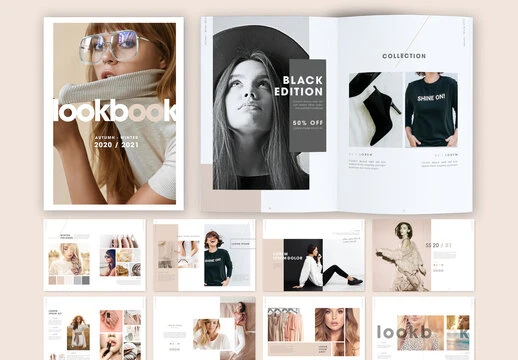
Example of a fashion look book, Adobe
A lookbook without visual rhythm loses the reader before the third page — pacing is as important as the images themselves.
AI lookbook: filling the gaps with AI
When producing a lookbook, the first question to ask is: traditional photoshoot or AI-generated visuals?
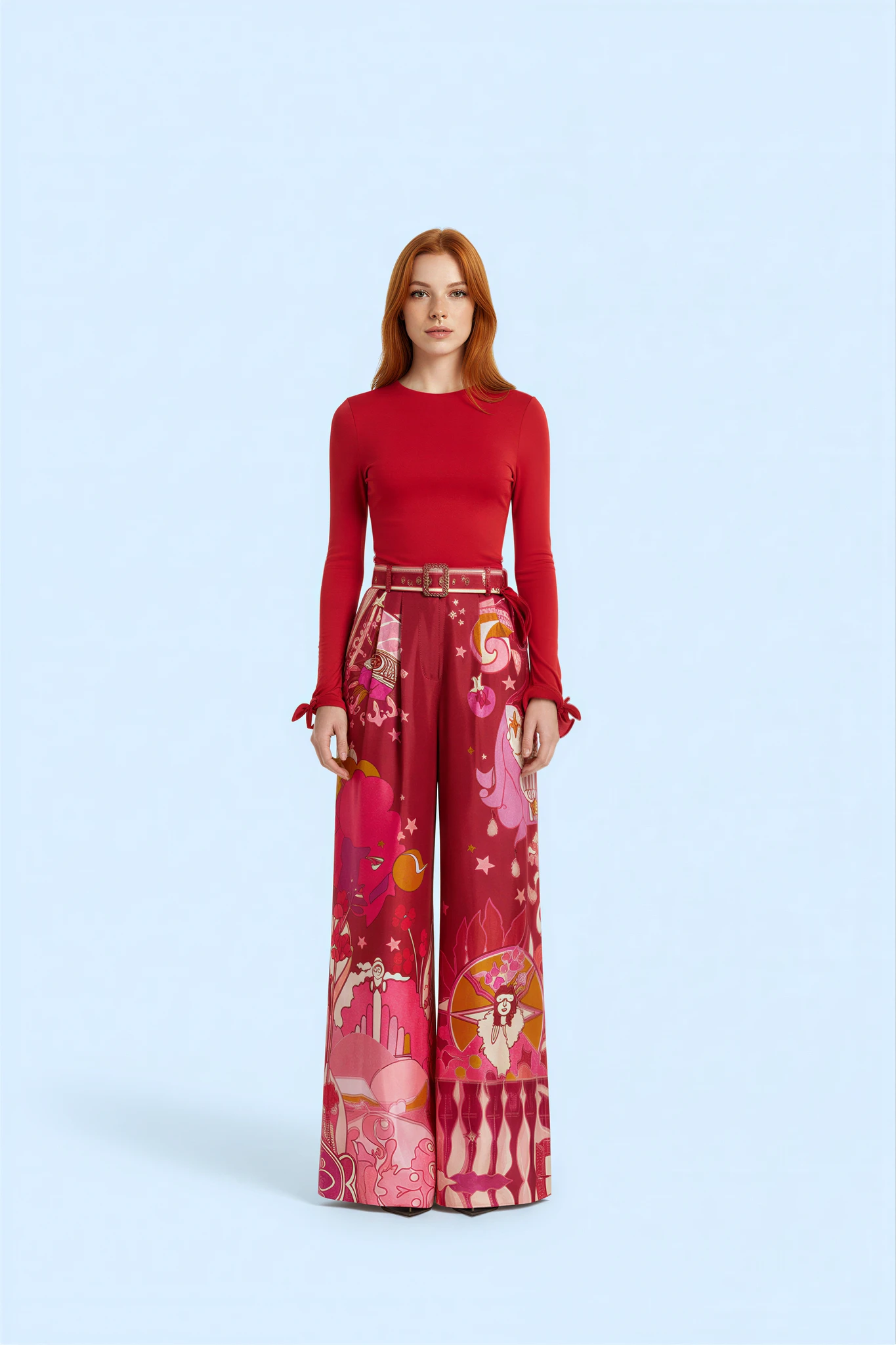
For a fashion catalog, the answer is straightforward. A catalog requires neutral backgrounds, consistent lighting, and high-volume output across all references. A traditional lifestyle photoshoot is overkill — too costly, too slow. AI photoshoot tools handle catalog production efficiently, with no loss of quality on what matters: a clean on-model render, background consistency, and fast rollout across SKUs.
For a lookbook, the answer depends on the brand. A lifestyle photoshoot — a few days on location, a photographer, a creative team — produces something an AI cannot fully replicate: raw energy, unexpected light, a genuine moment. Many brands that have a strong visual identity and the resources to shoot on location keep doing it.
That said, AI opens a good option:
AI as a complement to a traditional shoot: use location photography for hero looks and campaign images, and AI-generated visuals to complete the catalog or fill gaps in the collection coverage.
AI and traditional photography are not mutually exclusive — the most efficient brands use both, assigning each tool to what it does best.
What is a fashion catalog?
Definition & usage of a fashion catalog
The fashion catalog — also called a line sheet in a B2B context — is a commercial tool. It presents products in a neutral, complete, and readable format, primarily intended for professional buyers, marketplaces, or sales teams.
- It contains all the technical information needed to place an order.
- Photos are "packshot" style: white background, static model front and back, details clearly visible.
- It includes: wholesale price, recommended retail price, size grid, SKU references, available colorways, fabric composition, delivery timelines.
Characteristic | Lookbook | B2B Catalog |
|---|---|---|
Price | Absent | Wholesale + MSRP |
Sizes | Not mentioned | Full size grid |
SKU Reference | Sometimes | Mandatory |
Colorways | One look shown | All available colors |
Delivery dates | Global season | Precise dates (Drop 1, 2…) |
Visual tone | Lifestyle, editorial | Neutral, technical |
A B2B catalog without SKU references and a complete size grid cannot trigger a professional order.
On platforms like The New Black, a structured catalog with packshots and complete product sheets significantly increases the chances of being referenced by multi-brand buyers.
The catalog is the tool of efficiency. It answers one question: how do I order this product?
Techniques and tools to move fast: AI for B2B catalog production
AI photoshoot: cutting studio time
An AI photoshoot allows brands to generate on-model product visuals in a few clicks. Concretely: the brand uploads flat lay or hanger photos of its products, and the AI dresses a virtual model with the garment.
- Significant reduction in visual production cost and lead time.
- Ideal for brands managing large volumes of references.
- Compatible with fashion catalog visual standards: neutral background, clean render.
👉 Explore the comparison of the 20 best AI photoshoot tools for fashion brands.
This technology delivers professional on-model visuals with a significant impact on B2B sales performance.
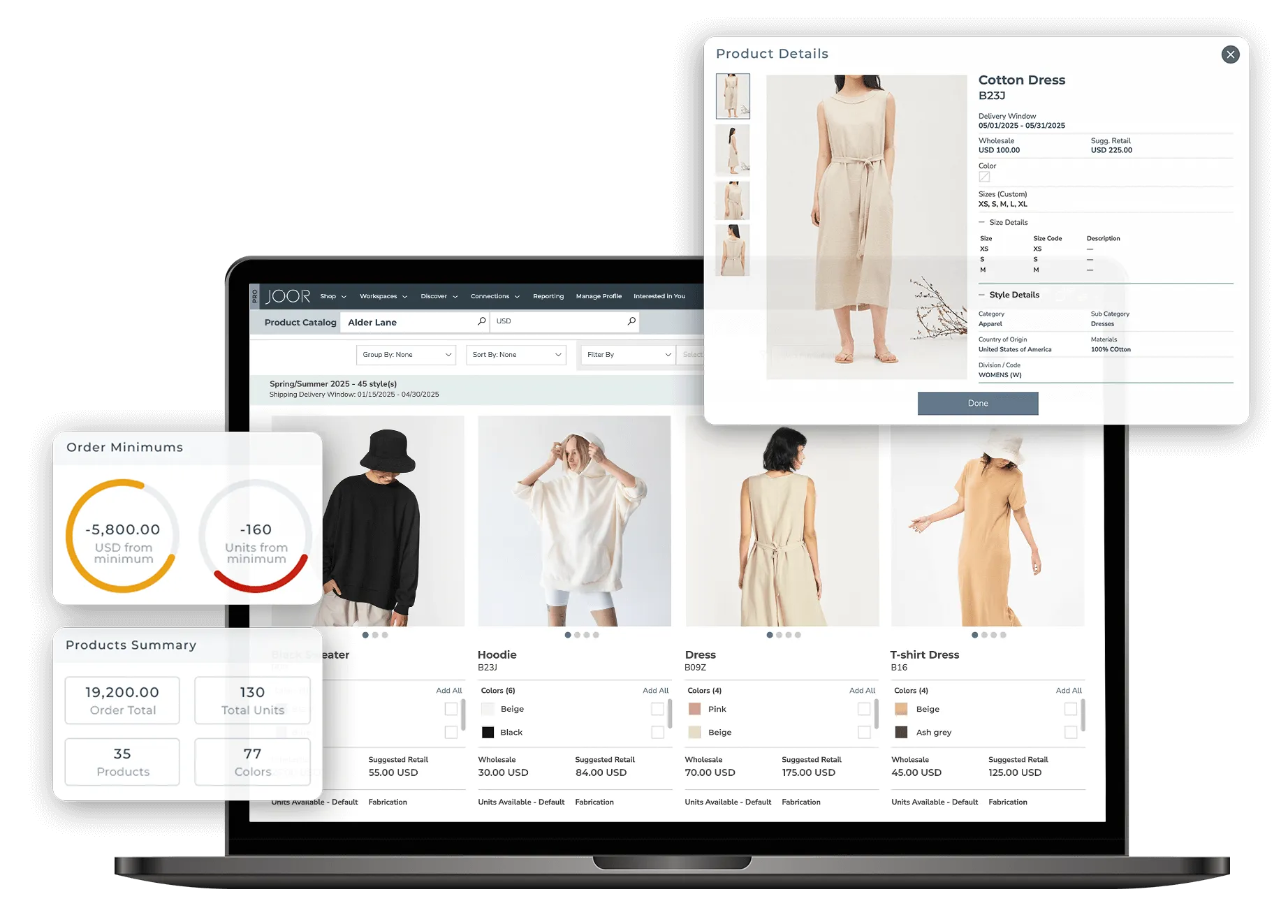
Joor - B2B platform
AI generated fashion models: custom-fit models
AI generated fashion models: custom-fit models
AI generated fashion models: custom-fit models
AI generated fashion models: custom-fit models
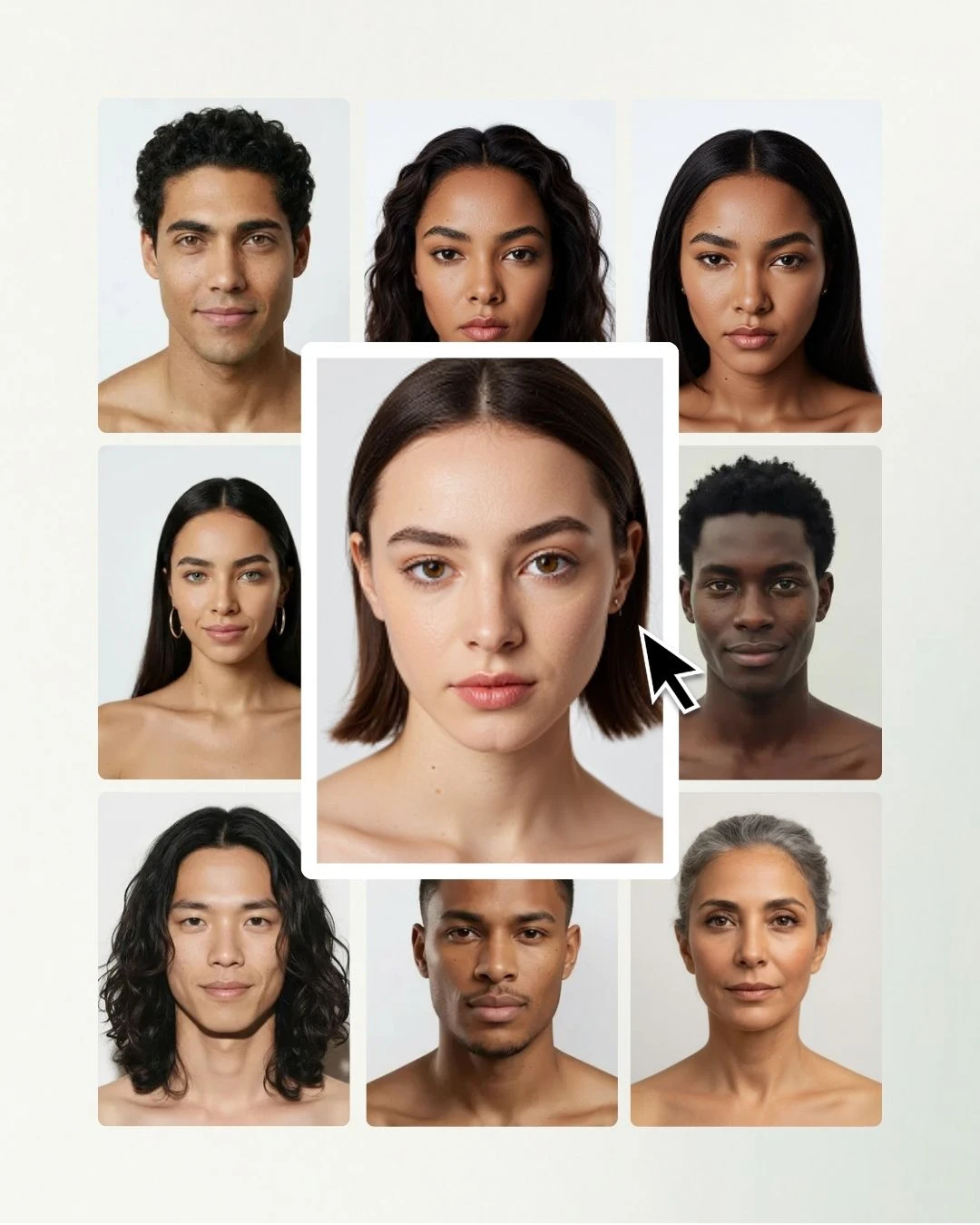
AI generated models for fashion allow brands to create virtual models consistent with their identity: body type, skin tone, pose, expression.
- Fast rollout across all references in a collection.
- Guaranteed visual consistency across product sheets.
- Zero logistical constraints (no casting, no studio to book).
👉 Explore Veeton's model gallery to see what's possible.
Lookbook and B2B fashion catalog: a complementary timeline
These two tools don't compete — they follow each other through the lifecycle of a collection:
- 6 to 8 months before launch: the lookbook opens B2B appointments, the catalog takes over to record orders (trade shows, Fashion Weeks).
- 3 to 4 months before launch: only the lookbook circulates, sent to journalists, stylists, and influencers for press relations.
- Launch day: the lookbook is published on the brand's website and social media; the catalog is archived for logistics and reorders.
A brand that uses its lookbook as a PR tool 3 to 4 months before launch maximizes its chances of being featured in seasonal editorial selections.